Food safety
Can Dogs Eat Clementines?
In moderation
Yes. A segment or two of peeled, seedless clementine is a safe occasional treat for most dogs, and the same goes for mandarins, tangerines and satsumas. Remove the peel and seeds, and keep portions small because of the sugar.
Why it’s fine in small amounts
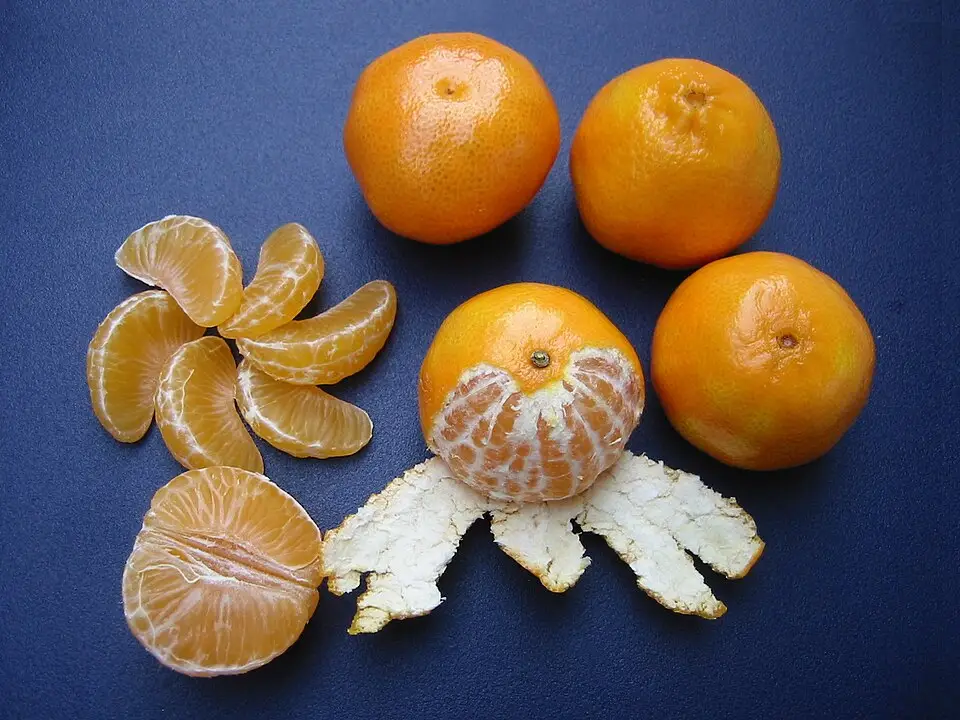
Clementines, mandarins, tangerines and satsumas are all small, easy-peeling citrus. A clementine is a cross between a mandarin and a sweet orange, and a satsuma is a mandarin type (or a close relative, depending on the classification). For dogs, they follow the same rules as oranges. PetMD says dogs can eat the flesh of oranges and of tangerines, clementines and mandarins in moderation, and the AKC says mandarins are not toxic and can be fed in small amounts, much like oranges.
Sugar is the reason to keep it small. USDA lists clementines at about 47 kcal and 9.2 g of sugar per 100 g (3.5 oz), and tangerines at about 53 kcal and 10.6 g of sugar. PetMD says the sugar and acidity can cause diarrhea or gas, especially in dogs with sensitive stomachs, and advises against citrus for dogs that are overweight or have diabetes.
The peel and seeds are the parts to remove. PetMD says peels are tough to digest and can cause intestinal blockages, and their oils may irritate the stomach. The ASPCA says the peels, seeds and plant parts of citrus contain citric acid and essential oils that can cause irritation, while eating the fruit itself is not likely to cause more than minor stomach upset. The AKC adds that seeds can be a choking hazard, particularly for smaller dogs. Satsumas are usually seedless and some clementines are too, but check each segment.
Benefits
- Easy to peel and split into small, portion-sized segments
- Not toxic to dogs, according to the AKC and PetMD
Risks
- Natural sugar adds up and can cause diarrhea or gas
- Peel is hard to digest, can cause a blockage, and its oils can irritate the stomach
- Seeds are a choking hazard for small dogs
- Not suitable for dogs with diabetes or weight problems
- Canned mandarins in syrup add more sugar
How to serve it safely
Peel the fruit completely, pull off as much of the white pith as you can, check for seeds, and offer one segment at a time. Cut segments in half for small dogs. Plain, fresh fruit is best; PetMD advises against processed citrus products, which often contain added sugar.
Segments by dog size
PetMD's guide, written for orange segments, is a sensible ceiling for clementines too:
| Dog size | Weight | Segments | How often |
|---|---|---|---|
| Extra-small | 2 to 10 lb (1 to 4.5 kg) | 1/2 segment | 1 to 2 times a week |
| Small | 11 to 20 lb (5 to 9 kg) | 1 segment | 1 to 2 times a week |
| Medium | 21 to 50 lb (9.5 to 23 kg) | 1 1/2 segments | 1 to 2 times a week |
| Large | 51 to 90 lb (23 to 41 kg) | 2 segments | 1 to 2 times a week |
| Extra-large | 91 lb (41 kg) and up | 2 1/2 segments | 1 to 2 times a week |
The AKC is a little more generous, saying one or two small segments a day is typically enough depending on size. Either way, treats should stay under 10% of daily calories, and the first serving should be small so you can see how your dog's stomach handles it.
Canned mandarin oranges are not a better option. USDA lists mandarins canned in light syrup at about 15.5 g of sugar per 100 g, against about 10.6 g for fresh tangerines. If you use canned fruit at all, choose fruit packed in juice rather than syrup, drain it and serve a segment or two.
Related forms
| Food | Verdict | Why |
|---|---|---|
| Clementine segments, peeled | In moderation | A segment or two as an occasional treat. |
| Mandarin, tangerine or satsuma segments | In moderation | Same rules as clementines and oranges. |
| Peel and pith | No | Hard to digest, can cause a blockage, and the oils can irritate. |
| Seeds | No | A choking hazard, especially for small dogs. |
| Canned mandarins in syrup | With caution | Extra sugar; juice-packed and drained is the better choice, in tiny amounts. |
| Clementine or orange juice | With caution | Processed citrus products often contain added sugar, PetMD says; skip it. |
If your dog already ate it
If your dog ate a few segments, expect nothing worse than possible minor stomach upset, according to the ASPCA. Offer water and watch for loose stools.
If your dog ate a whole clementine with the peel, a pile of peels, or a bag of fruit, watch for vomiting, diarrhea, belly pain, not eating or straining to poop. Call your vet if any of these appear, since PetMD says peels can cause intestinal blockages. The ASPCA notes that large amounts of citrus plant material can also cause depression of the nervous system, so call if your dog seems unusually quiet or wobbly.
For concerns about a large amount of peel, leaves or stems, call your vet, an emergency clinic, ASPCA Animal Poison Control at (888) 426-4435 or Pet Poison Helpline at (855) 764-7661 (US; fees may apply). Outside the US, call your local emergency vet. Do not make your dog vomit at home.
Frequently asked questions
Can dogs eat mandarin oranges?
Yes. The AKC says mandarins are not toxic and can be fed in small amounts, much like oranges. Peel them and remove any seeds.
How many clementine segments can a dog have?
PetMD's guide for orange segments runs from half a segment for dogs up to 10 lb (4.5 kg) to two and a half segments for dogs over 90 lb (41 kg), once or twice a week. The AKC says one or two small segments a day is typically enough.
Can dogs eat clementine peel?
No. PetMD says citrus peel is tough to digest and can cause intestinal blockages, and the ASPCA says the oils in peels can cause irritation.
Can dogs eat canned mandarin oranges?
Skip the syrup-packed kind. USDA lists mandarins in light syrup at about 15.5 g of sugar per 100 g. Drained, juice-packed segments are better, in very small amounts.
Are clementines good for dogs with diabetes?
No. PetMD advises against oranges and similar citrus for dogs with diabetes or weight problems because of the sugar.
Written from veterinary sources by the Pawsplained editorial team. Not yet reviewed by a veterinarian; this is general information, not a diagnosis or treatment plan. Updated Nov 7, 2026. Editorial policy
Sources
- PetMD: Can Dogs Eat Oranges? Benefits, Risks, and Feeding Tips
- AKC: Can Dogs Eat Oranges?
- ASPCA: People Foods to Avoid Feeding Your Pets
- USDA FoodData Central: Clementines, raw (FDC 168195)
- USDA FoodData Central: Tangerines (mandarin oranges), raw (FDC 169105)
- USDA FoodData Central: Tangerines (mandarin oranges), canned, light syrup pack (FDC 169924)
- Wikipedia: Clementine
- Wikipedia: Satsuma mandarin (Citrus unshiu)
Safer alternatives
More fruit
All foods- ApplesYes
- ApricotsIn moderation
- AvocadoWith caution
- BananasIn moderation
- BlackberriesIn moderation
- CantaloupeIn moderation
- CherriesWith caution
- CoconutIn moderation
- CranberriesIn moderation
- DatesIn moderation
- FigsIn moderation
- GrapesNo
- KiwiIn moderation
- LemonsNo
- MangoIn moderation
- NectarinesWith caution
- PeachesWith caution
- PearsIn moderation