Food safety
Can Dogs Eat Grapes?
No
No. Grapes can cause sudden kidney failure in dogs, and even a small amount may be dangerous.
Why it’s unsafe
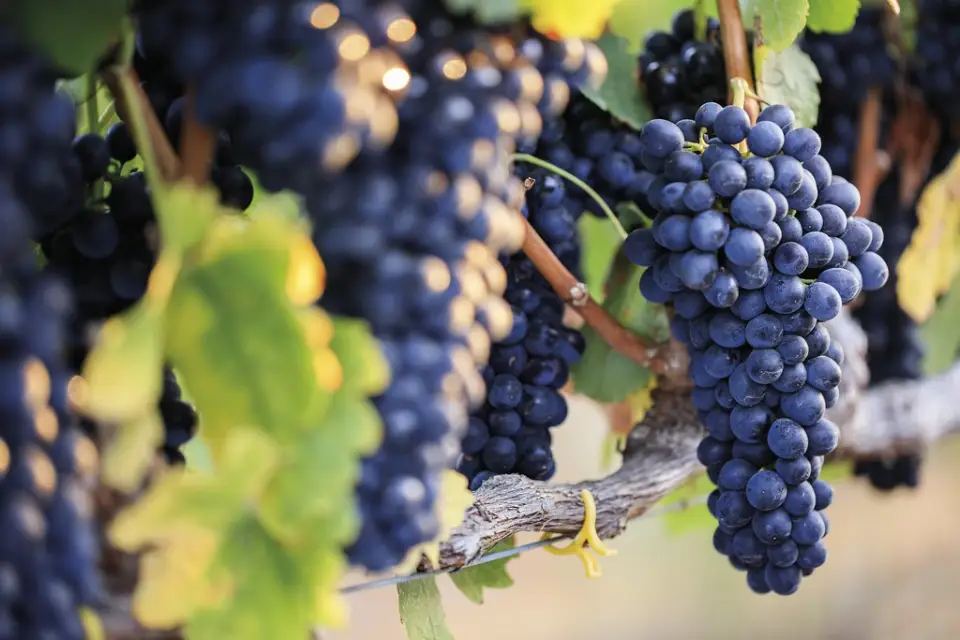
Grapes, raisins and currants are linked to acute kidney injury in dogs, and the exact cause is still unknown. Tartaric acid has been proposed as the culprit, but it has not been proven, and an earlier idea that a mycotoxin (a toxin made by a mold or fungus) or a salicylate is responsible has not been confirmed either.
What matters for owners is that the reaction is unpredictable. There is no well-established toxic dose, some dogs become ill after only a small amount, and there is currently no way to predict which dogs will react. Poisoning has been reported with seedless or seeded, commercial or homegrown, red or green, and organic or non-organic grapes and raisins, so all of them are treated the same way.
This is why the safest rule is simple: no grapes, ever, and treat any ingestion as an emergency even if your dog seems fine. The first sign is often just vomiting or diarrhea, and kidney damage can already be under way before more serious signs show up.
Risks
- Acute kidney injury that can progress to kidney failure
- No well-established toxic dose, and no way to predict which dogs will react
- Early signs (vomiting, diarrhea) can look mild before kidney damage appears
- Raisins, currants and foods containing them, such as trail mix and baked goods, carry the same risk
What to give instead
Do not serve grapes in any form, including raisins, currants, or baked goods, trail mix and granola bars that contain them.
For a juicy, crunchy treat, try small pieces of blueberries, seedless and rind-free watermelon, or cored apples. Keep treats to no more than 10% of your dog's daily calories. Store grapes and raisins in closed containers or high cupboards, and check floors and low tables after parties and picnics.
Related forms
| Food | Verdict | Why |
|---|---|---|
| Raisins | No | Dried grapes carry the same risk and are a recognized cause of poisoning, including in trail mix, granola bars and baked goods. |
| Currants | No | Grouped with grapes and raisins in veterinary poisoning guidance. |
| Grape juice and jelly | With caution | Juice and jelly made from juice concentrate do not appear to cause poisoning, according to VCA, but they are sugary and offer nothing, and grape pressings from wineries have caused poisoning. Skip them. |
If your dog already ate it
Treat any grape, raisin or currant ingestion as an emergency, even if your dog looks normal. Call your vet or an emergency clinic right away, or contact ASPCA Animal Poison Control at (888) 426-4435 or Pet Poison Helpline at (855) 764-7661 (US; fees may apply). Outside the US, contact your local emergency vet.
Tell them roughly how much was eaten, when, and your dog's weight if you know it. Do not try to make your dog vomit at home. Your vet will decide on treatment, which can include decontamination, IV fluids and bloodwork monitoring.
The most common early signs are vomiting or diarrhea within about 12 to 24 hours, and more severe signs of kidney trouble are typically not seen until 24 to 48 hours after eating grapes, so do not wait for symptoms before calling. A dog that gets prompt treatment before symptoms develop generally has a good outlook.
My dog ate one grape
Call your vet or a poison line now, even for one grape and even if your dog seems completely normal. There is no established safe amount. VCA says there is no well-established toxic dose and that some dogs become ill after eating only a small amount, Pet Poison Helpline says toxicity may not depend on the dose, and nobody can predict which dogs will react.
The Merck Veterinary Manual, in a chapter written by an ASPCA Animal Poison Control Center veterinarian, gives one rule of thumb: more than one grape or raisin per 10 lb (4.5 kg) of body weight may contain enough tartaric acid to pose a risk. For a dog under 10 lb, a single grape is already over that line. It is not a safe threshold for bigger dogs either, because Merck notes that the tartaric acid content of grapes varies, so let a vet or poison specialist make the call.
When you call, have ready your dog's weight, how many grapes or raisins, when it happened, and whether they were baked into something.
What the vet will likely do
- Make your dog vomit, if it is early and your dog has no signs. Merck calls prompt decontamination the recommended treatment for dogs that are not yet showing signs, using emetic medicines given at the clinic. Do not try this at home.
- Possibly give activated charcoal. Merck says its effectiveness for grape poisoning is unknown, so not every vet will use it.
- Start IV fluids. After a large amount, or if diarrhea starts within 12 hours, Merck recommends at least 48 hours of IV fluid therapy.
- Check bloodwork. Kidney function and fluid balance are monitored during treatment, according to Merck and VCA.
Signs to watch for
Merck says most affected dogs vomit or have diarrhea within 6 to 12 hours (VCA gives 12 to 24 hours), along with lethargy, loss of appetite, belly pain, weakness, increased thirst or tremors. Kidney failure, with little or no urine, can develop within 24 to 72 hours. That is why the call should come before any of this: VCA says a dog treated promptly, before signs develop, generally has a good outlook, while Merck says that once a dog stops making urine, most do not survive without dialysis.
Frequently asked questions
How many grapes are toxic to a dog?
There is no well-established toxic dose. Some dogs have become ill after small amounts, and nobody can predict which dog will react. Call a vet for any ingestion.
My dog ate one grape and seems fine. Should I worry?
Yes, call your vet or a poison line for advice. Vomiting or diarrhea may appear within 12 to 24 hours and more severe signs can take 24 to 48 hours, so looking normal at first is not proof of safety.
What in grapes is poisonous to dogs?
The cause is not confirmed. Tartaric acid has been proposed as the toxic component, but this has not been proven, and that uncertainty is part of why any exposure is treated as a concern.
Are raisins and currants also dangerous?
Yes. They are dried grapes and are included in the same warning, including when baked into foods or mixed into trail mix.
Written from veterinary sources by the Pawsplained editorial team. Not yet reviewed by a veterinarian; this is general information, not a diagnosis or treatment plan. Updated Nov 7, 2026. Editorial policy
Sources
Safer alternatives
More fruit
All foods- ApricotsIn moderation
- AvocadoWith caution
- BananasIn moderation
- BlackberriesIn moderation
- CantaloupeIn moderation
- CherriesWith caution
- ClementinesIn moderation
- CoconutIn moderation
- CranberriesIn moderation
- DatesIn moderation
- FigsIn moderation
- KiwiIn moderation
- LemonsNo
- MangoIn moderation
- NectarinesWith caution
- OrangesIn moderation
- PeachesWith caution
- PearsIn moderation


