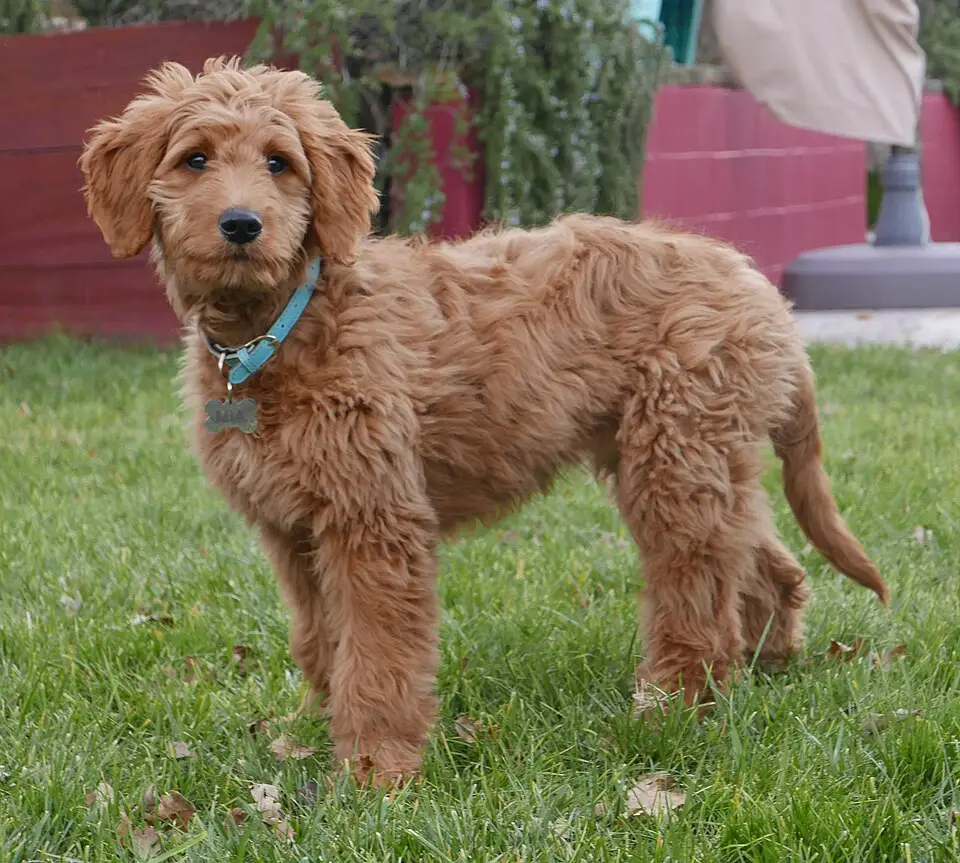
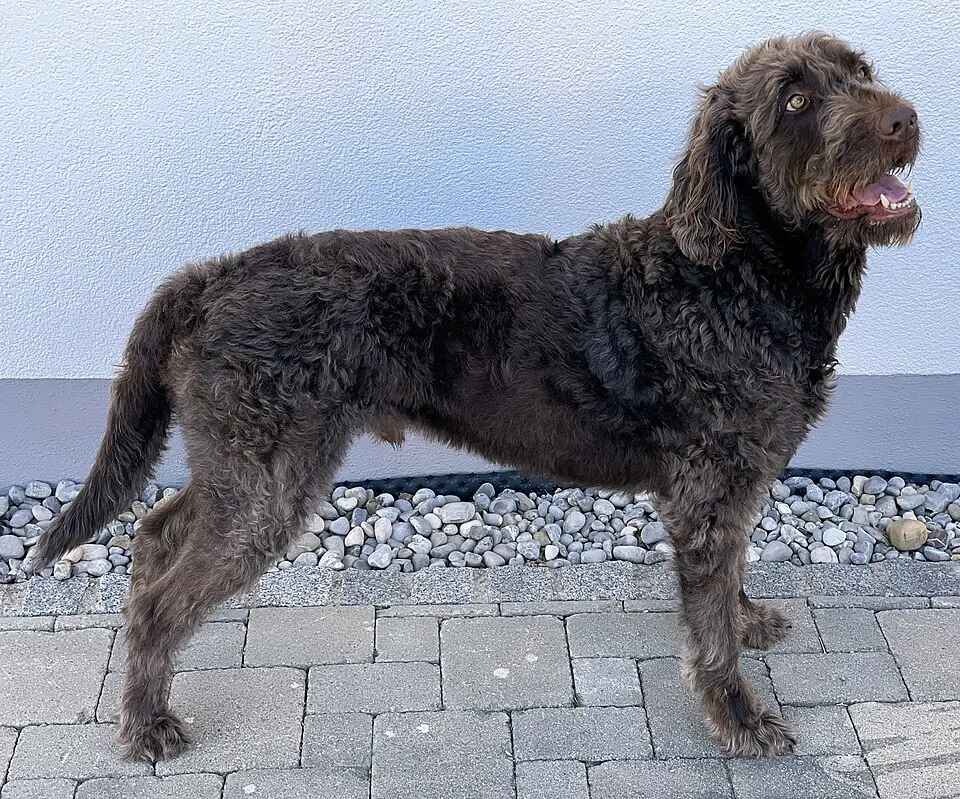
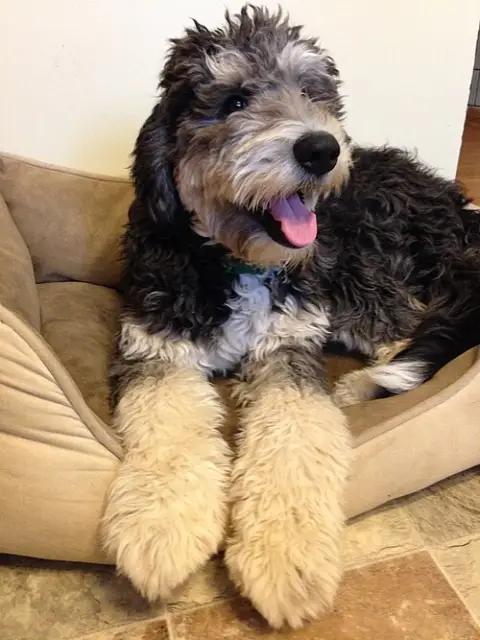
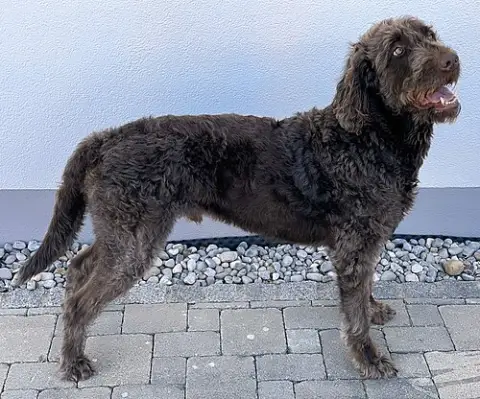
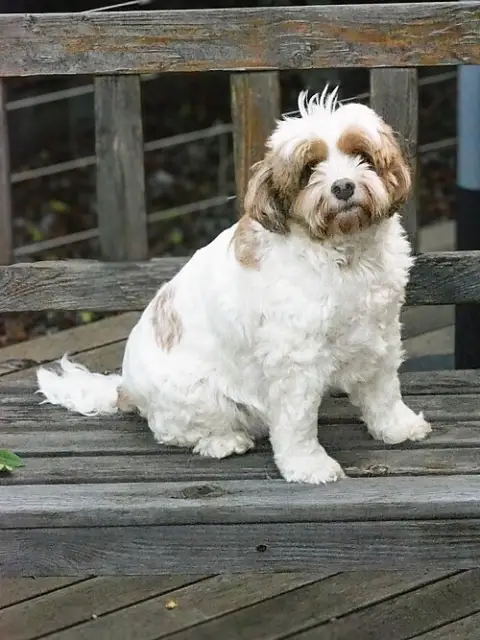
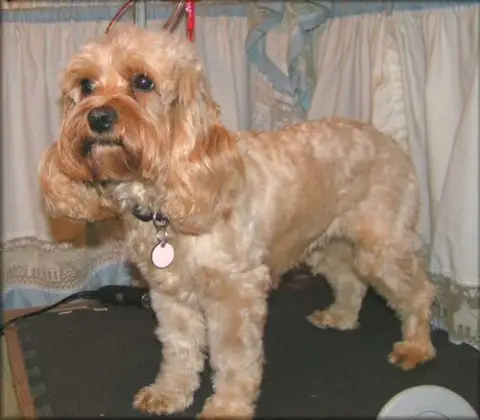
Goldendoodle and Labradoodle look like near twins, so it is no surprise people search for the difference. The short answer is that there is less of one than the marketing suggests. Both are Poodle crosses with no breed standard, so size, coat and health depend on the individual parents far more than on the name. What changes is the other parent: the Goldendoodle comes from a Golden Retriever and the Labradoodle from a Labrador. Neither cross is guaranteed hypoallergenic or non-shedding, and neither is recognized by the AKC.
Wavy to curly, variable; ranges from low-shedding to moderate shedding
Variable: straight, wavy or curly; shedding ranges from low to moderate
Lower-allergen coat
No
No
Energy level
Exercise needs
Trainability
Good with kids
Good with other dogs
Friendly to strangers
Apartment living
Tolerates being alone
Good for first-time owners
Shedding
Grooming needs
Barking
Drooling
General health
Trait scale 1–5. Shedding, grooming, barking and drooling: 5 = more. Highlighted rows are where the two breeds differ.
The key differences
Size
The Poodle parent matters more than the name. Goldendoodles are reported at up to about 20 in (51 cm) and 15 to 35 lb (7 to 16 kg) for miniatures, and 51 to 80 lb (23 to 36 kg) for standards, with some sources going higher. Labradoodles are reported at about 18 to 28 lb (8 to 13 kg) for miniatures and 45 to 75 lb (20 to 34 kg) for standards. The top of the Goldendoodle range runs slightly larger, but puppies can mature bigger or smaller than expected.
Energy and exercise
The two score the same on our meters: 4 out of 5 for energy and for exercise. Plan on about an hour of activity a day, with miniatures needing a little less and standards often wanting more. Both parent breeds love water and retrieving games. On the apartment meter the Goldendoodle edges ahead (3 versus 2), but size matters more than the name, since a miniature of either is far easier in a small home.
Coat and grooming
Both score 4 out of 5 for grooming and 2 out of 5 for shedding, and both need serious upkeep. Wavy and curly coats mat quickly, so brush down to the skin several times a week and book a professional groom about every 6 to 8 weeks, or as your groomer advises. The Goldendoodle's coat runs wavy to curly, while Labradoodle coats range from straight to curly, and straighter coats on either cross usually shed more. Hairy drop ears need regular cleaning.
Temperament and training
Both score 5 out of 5 for trainability, affection and kids, and both are poor guard dogs. Goldendoodles often lean toward the Golden's goofy, people-hungry side and can struggle with long stretches alone. Labradoodles are usually exuberant and mouthy like a young Lab, and some take a few years to settle. Because puppies in one litter can differ, meeting the parents is the best preview you will get.
Health and life span
Goldendoodles are usually reported to live 10 to 15 years and Labradoodles about 12 to 14, but a cross does not guarantee a healthier dog. PetMD lists hip dysplasia, eye disease, a heart condition called subvalvular aortic stenosis and bloat in larger dogs for the Goldendoodle. For the Labradoodle it lists hip dysplasia, eye disease, heart disease and ear infections. Choose a breeder who health tests both parents and shares the results.
Cost and care
Running costs are close to identical. Both need regular professional grooming, a diet matched to their adult size and routine vet care, and a standard-size dog eats and costs more to care for than a miniature. The real cost difference is the breeder, so be wary of hypoallergenic or non-shedding guarantees and ask which generation of cross and which Poodle size the litter is. Our dog food calculator gives a starting point for meals.
Which one should you choose?
Choose the Goldendoodle if you like the Golden Retriever side: a soft, teddy-bear look, a wavy-to-curly coat and a very people-focused dog. Check the expected adult size, because standards can reach 80 lb (36 kg) or more. Choose the Labradoodle if you prefer the Labrador side: a sporty, fetch-loving build and a bouncy, food-motivated temperament, with a slightly lower top-end size. Honestly, the parents matter more than the name. Meet both, ask for hip, elbow, eye and heart test results, ask about the Poodle parent's size, and expect to brush and groom either dog regularly.
Which is better for allergies, a Goldendoodle or a Labradoodle?
Neither is guaranteed. The AKC says no dog is completely hypoallergenic, and coat type varies from puppy to puppy. If allergies matter, spend time with the specific dog before you commit.
Is a Goldendoodle bigger than a Labradoodle?
Slightly, on average. Standard Goldendoodles are reported at 51 to 80 lb (23 to 36 kg) and standard Labradoodles at 45 to 75 lb (20 to 34 kg), but the Poodle parent drives size for both.
Are Goldendoodles and Labradoodles recognized by the AKC?
No. Both are crossbreeds without a breed standard. The AKC, the FCI and British kennel clubs do not recognize them as breeds.