Training · 7 min read
7 Basic Dog Commands and How to Teach Each One
Quick answer
The seven basic dog commands are sit, down, stay, come, leave it, drop it and walking on a loose leash. Teach each one with small rewards in short sessions of 5 to 10 minutes, ending on success. The American Veterinary Society of Animal Behavior recommends reward-based methods only.
Key takeaways
- Keep training sessions to 5 to 10 minutes and end on a success so your dog finishes wanting more.
- Reward right after the behavior, and add the spoken cue only once your dog is about to do it reliably.
- Teach a release word such as OK or free before you build up how long your dog stays.
- Once a behavior is reliable, fade treats by rewarding every other repetition, then every third or fourth, with praise in between.
- The American Veterinary Society of Animal Behavior recommends reward-based training only and says aversive methods should not be used.
In this guide
- How do you train any cue?
- How do you teach a dog to sit?
- How do you teach a dog to lie down?
- How do you teach a dog to stay?
- How do you teach a dog to come?
- How do you teach a dog to leave it?
- How do you teach a dog to drop it?
- How do you teach a dog to walk on a loose leash?
- Which training mistakes should you avoid?
- How do you make cues work anywhere?
- Step by step
- FAQ
The seven basic dog commands are sit, down, stay, come, leave it, drop it and walking on a loose leash. Teach them with small rewards, in short sessions, and your dog can learn all seven. The American Veterinary Society of Animal Behavior (AVSAB) recommends reward-based methods only, and its 2025 board statement says aversive methods should not be used.
Any sudden change in how your dog responds to cues, especially in an older dog, is worth a vet check.
How do you train any cue?
Every command follows the same pattern. The AKC suggests keeping sessions to 5 to 10 minutes and ending on success. Rewards can be small, high-value food, praise, a toy or petting, and you should avoid leash corrections and yelling.
- Reward right after the behavior. VCA says a clicker is optional, and a word like "Yes" works as a marker.
- Add the spoken cue late. Say the word only once your dog is about to do the behavior reliably, and say it once.
- Fade treats gradually. When a behavior is reliable, reward every other repetition, then every third or fourth, with praise in between.
Never force or push your dog into position. Teach one cue at a time and keep treats small, since they count toward your dog's daily food.
How do you teach a dog to sit?
Hold a treat at your dog's nose and move it up and back over the head. The AKC and VCA both describe this lure: your dog's rear lowers as the head follows the treat, and you reward the moment the rear touches down. PetMD says to expect roughly 10 to 20 repetitions.
Next, switch to an empty-hand signal using the same motion and say "sit" just before it. Never push on your dog's back to place them.
How do you teach a dog to lie down?
Start from a sit in a quiet room. Lure the treat from your dog's nose to the floor between the paws, and reward when the elbows touch the ground. If your dog struggles, you can instead reward them for lying down by themselves in a calm moment, which trainers call capturing. Never force your dog down.
How do you teach a dog to stay?
Teach a release word first, such as "OK" or "free", so your dog knows when the stay ends. Then build in this order, as the AKC and PetMD describe: duration, then distance, then distraction. If your dog breaks the stay, shorten the wait and make it easier.
How do you teach a dog to come?
Start indoors somewhere quiet. Call once in an upbeat voice and reward heavily when your dog arrives. If your dog ignores you, do not keep repeating the name. PetMD suggests a recall word other than your dog's name, and the AKC says not to grab the collar as your dog arrives, so coming never ends in something unpleasant.
Practice outdoors on a long leash in an enclosed area before you ever trust the cue in open space. A long line gives your dog room to practice while you stay in control.
How do you teach a dog to leave it?
The AKC describes a simple method. Cover a treat on the floor with your hand, and when your dog stops trying to get it, reward from your other hand with a different, better treat. Never reward with the treat under your hand.
Uncover the treat a little at a time, then add a leash and use your foot, and only then add the cue word. Do not use the cue if your dog cannot yet respond to it.
How do you teach a dog to drop it?
Trade instead of grabbing. Offer a treat or a toy of equal value, say "drop" as your dog's mouth opens, then give the toy back during play so letting go feels like a good deal. The AKC warns that chasing a dog who has an item can make them swallow it faster.
How do you teach a dog to walk on a loose leash?
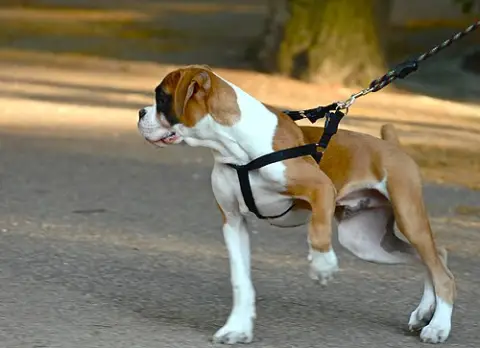
Reward your dog for staying at your leg and keep treats at knee or hip level. If your dog runs ahead, turn and reward the return. Our full guide to stopping leash pulling goes deeper.
Which training mistakes should you avoid?
The AKC, VCA and AVSAB advice points to a handful of common errors:
- Forcing a position. Never push on your dog's back or force your dog down. Lure or reward instead.
- Using punishment. The AKC says to avoid leash corrections and yelling, and AVSAB's 2025 board statement says aversive methods should not be used.
- Adding the cue too early. Say the word only once your dog is about to do the behavior reliably, and say it once.
- Repeating your dog's name when ignored for a recall. PetMD suggests a recall word other than the name.
- Grabbing the collar when your dog arrives. The AKC says coming should never end in something unpleasant.
- Making sessions too long. Keep them to 5 to 10 minutes and end on success.
- Rewarding the wrong treat. In leave it, never reward with the treat under your hand.
If your dog struggles with a step, go back to the last step that worked and make it easier before you try again. Dogs learn fastest when they succeed often, and short, upbeat sessions several times a day add up.
How do you make cues work anywhere?
Dogs do not automatically carry a skill from the kitchen to the park. Raise one challenge at a time: more duration, then more distance, then more distractions. If your dog fails, go back a step.
Practice in new rooms, the yard, and then quiet streets. Remember that puppies who nip need their own plan, so see our guide to puppy biting, and if you want to start with a naturally cooperative breed, our list of easy-to-train dogs is a good place to look.
Step by step
- SitMove a treat from your dog's nose up and back over the head. When the rear touches down, reward. Never push your dog into position.
- DownLure the treat from the nose to the floor between the paws and reward when the elbows touch the ground.
- StayTeach a release word first, then build duration, then distance, then distractions.
- ComeStart indoors somewhere quiet, call once in an upbeat voice and reward heavily when your dog arrives.
- Leave itCover a treat on the floor with your hand and reward your dog with a different treat from your other hand when they stop trying.
- Drop itTrade the item for a treat or an equal-value toy, say drop as the mouth opens, then give the toy back during play.
- Loose-leash walkingReward your dog for staying at your leg, and turn and reward the return if they run ahead.
Frequently asked questions
What are the basic dog commands?
Most trainers start with sit, down, stay, come, leave it, drop it and walking politely on a leash. Together these give you control in everyday situations, from the front door to the park.
What order should I teach commands in?
The sources give no fixed order. A common one is sit first, then down, then a release word before stay, with come taught early because it matters most for safety. Leave it and drop it follow once your dog understands how rewards work.
How long should training sessions be?
The AKC suggests 5 to 10 minutes and ending on success. Several short sessions a day work better than one long one.
Do I need a clicker?
No. VCA says a clicker is optional, and a short word such as Yes works as a marker. What matters is rewarding right after the behavior.
How do I stop needing treats?
Once a behavior is reliable, VCA suggests rewarding every other repetition, then every third or fourth, with praise in between. Keep using treats for new or hard skills.
Should I use a choke or prong collar to train commands?
No. The American Veterinary Society of Animal Behavior recommends reward-based training only, and its 2025 board statement says aversive methods should not be used.
Sources
More training guides
All guides
Training
How to Crate Train a Puppy, Step by Step
Crate training works when the crate feels like a safe den, not a punishment. Here is a gradual plan, from sizing to nig…

Training
How to Potty Train a Puppy: A Routine That Works
Potty training comes down to frequent trips outside, one toilet spot, instant rewards and close supervision. Here is th…
Training
How to Stop a Dog From Pulling on the Leash
Dogs pull because it gets them where they want to go. Teach loose-leash walking by stopping, rewarding the spot beside…