Safety · 6 min read
My Dog Ate a Pine Cone: Is It Dangerous?
Pine cones are not classed as poisonous, but pieces can hurt the mouth or block the gut, and scented cones add oils. What to do and what to watch for.
In this guide
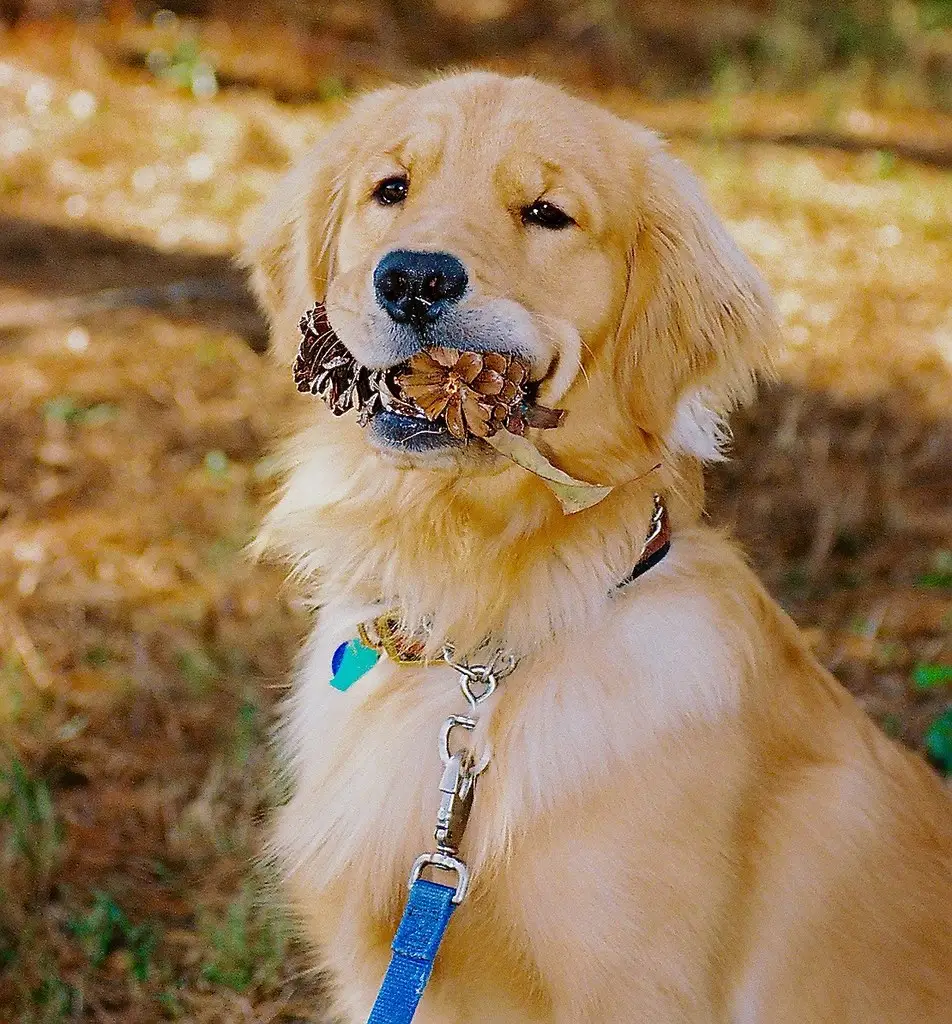
If your dog ate a pine cone, the main worries are a blockage in the gut and injuries to the mouth, not poisoning. Pine cones are not toxic the way chocolate or grapes are, but the AVMA warns that decorations such as pine cones can cause choking or an intestinal blockage if swallowed. Call your vet if your dog swallowed a whole cone or large pieces, if your dog is small, if the cone was scented, painted or glittered, or if you notice any signs of trouble.
A dog that only chewed a cone and spat out the bits usually needs careful watching rather than a dash to the clinic. Here is how to tell which situation you are in.
What to do right now
- Take away the rest of the cone, and check for others indoors and in the yard.
- Look at your dog's mouth and face. Watch for bleeding gums, drooling, pawing at the mouth or pieces wedged between the teeth.
- Work out how much was eaten. A few nibbled scales are very different from large chunks or a whole cone, and the size of the cone compared with the size of your dog matters.
- Keep the packaging if it was a decorative or scented cone. The vet will want to know what it was treated with.
- Call for advice. Phone your vet or an emergency clinic. In the US you can also call the ASPCA Animal Poison Control Center at (888) 426-4435 or the Pet Poison Helpline at (855) 764-7661 (US; fees may apply). Outside the US, call your local emergency vet.
Go straight to a clinic if your dog is choking, gagging, struggling to breathe or vomiting again and again.
Why pine cones cause trouble
Pine cones are tough, woody and full of stiff scales, and that is the source of most problems.
- Blockage. The AVMA lists pine cones alongside corn cobs and gourds as decorations that can cause choking or an intestinal blockage. In an October 2026 article from The Weather Company, emergency veterinarian Dr. Lori Ross said swallowed fragments do not digest well, and that small dogs and dogs that gulp large pieces are at higher risk of a blockage that may need surgery.
- Mouth injuries. Dr. Ross also said the splintery scales can scrape or puncture the gums, tongue and roof of the mouth, or get stuck between the teeth.
- Upset stomach. She noted that the sap and oils in pine cones can upset a dog's stomach, and that fragments can irritate the stomach and intestines on the way through.
Decorative, scented and glittered cones
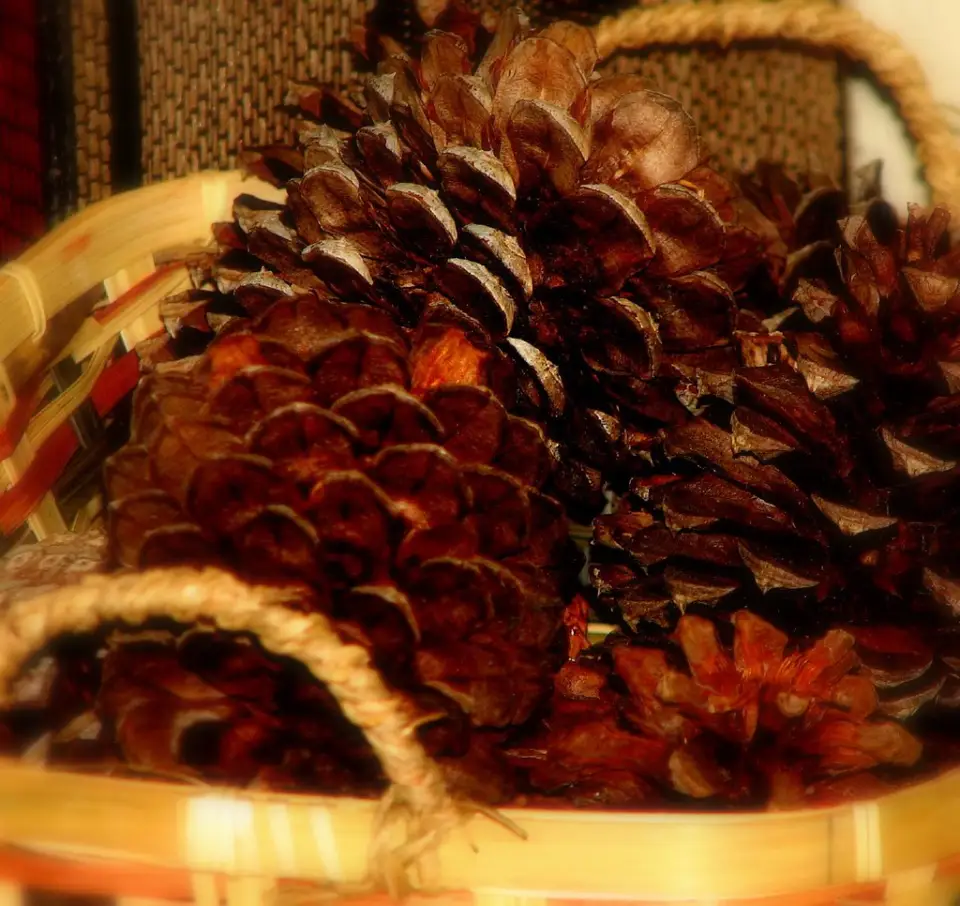
Holiday and craft cones are often more than plain wood. Dr. Ross pointed out that decorative cones may be treated with scented oils, paint or glitter, which adds chemicals to the physical risk.
Scented cones deserve extra care. VCA Animal Hospitals lists oils of cinnamon and pine among the essential oils that can poison dogs, whether licked, swallowed or absorbed through the skin. Signs include drooling, pawing at the mouth or face, vomiting that may smell of the oil, a wobbly walk, weakness, tremors and redness or burns on the lips, gums or tongue. VCA advises against making your dog vomit or giving activated charcoal at home, so call your vet or a poison line and have the packaging ready. Our page on cinnamon explains why the oil is riskier than the spice.
Cones from the yard
Cones that have been lying outside are not always cleaner. Dr. Ross noted that cones collected from the ground may carry mold, lawn chemicals or pesticides. If your yard or a nearby park was recently treated, tell your vet the product name.
What to watch for
Keep a close eye on your dog for the next few days, even if things look fine at first. VCA lists these signs of a swallowed object causing a problem:
- Vomiting
- Diarrhea
- Belly pain, including growling or biting when the belly is touched
- Reduced appetite or not eating
- Straining to poop, or passing only small amounts
- Lethargy
Check your dog's poop for pieces of cone, since owners often find swallowed items in stool or vomit. Call your vet promptly if any of the signs above appear. Cornell University's veterinary college says outcomes are best when an obstruction is diagnosed and removed promptly, and that the outlook worsens the longer it has been there.
What the vet may do
Your vet will check your dog's mouth for cuts and wedged pieces, then examine the belly. Cornell says diagnosis usually relies on the history, a physical exam and abdominal imaging such as X-rays or ultrasound, with blood work to check for dehydration and electrolyte problems.
If a piece is still in the stomach, the vet may be able to retrieve it with an endoscope, a flexible camera passed down the throat under anesthesia. A cone that has moved further and caused a blockage usually needs surgery. Smaller pieces that are not causing a full blockage may be managed in hospital with fluids and monitoring while they pass, with surgery if they do not.
Keep pine cones off the menu
- Pick up fallen cones in your yard regularly.
- Keep your dog on a leash under pine trees until "leave it" and "drop it" are reliable.
- Offer sturdy chew toys sized so your dog cannot swallow them whole, which Dr. Ross suggests as a safer outlet for chewing.
- Keep cone wreaths, centerpieces and potpourri bowls out of reach.
- For a dog that keeps scavenging, Cornell suggests basket muzzle training as an option.
Our Christmas safety guide and Thanksgiving safety guide cover other seasonal decorations.
When to call your vet
Call straight away if your dog swallowed a whole cone or large pieces, chewed a scented or painted cone, or is small. Go to an emergency clinic now if your dog:
- Is choking, gagging or struggling to breathe
- Vomits repeatedly or cannot keep water down
- Has a painful belly or strains without passing anything
- Is drooling heavily, bleeding from the mouth or pawing at its face
- Is weak, wobbly or trembling
You can also call the ASPCA Animal Poison Control Center at (888) 426-4435 or the Pet Poison Helpline at (855) 764-7661 (US; fees may apply). Outside the US, call your local emergency vet. For general steps, see what to do if your dog eats something toxic.
Frequently asked questions
Are pine cones poisonous to dogs?
Not in the way chocolate or grapes are. The bigger risks are physical: the AVMA warns that pine cones can cause choking or an intestinal blockage if swallowed, and the stiff scales can injure the mouth. Scented or painted decorative cones add other chemicals, so check the packaging.
My dog ate a whole pine cone. What should I do?
Call your vet now, especially if your dog is small or gulped large pieces. A whole cone or large chunks may not pass, and a blockage is easier to treat when it is caught early.
What if my dog only chewed a pine cone?
If your dog chewed it up and spat out the pieces, check the mouth for cuts or bits wedged between the teeth and watch for vomiting, drooling or loss of appetite over the next few days. Call your vet if anything seems off.
Are cinnamon-scented pine cones safe for dogs?
Keep them out of reach. Scented decorative cones may be treated with oils, and VCA lists cinnamon and pine oils among the essential oils that can poison dogs. Call your vet or a poison line if your dog chewed one, and bring the packaging.
Sources
- AVMA: Thanksgiving pet safety
- The Weather Company: Veterinarians say to think twice before letting your dog play with pinecones (quotes Dr. Lori Ross, DVM, Emergency Veterinary Care Centers)
- VCA Animal Hospitals: Ingestion of Foreign Bodies in Dogs
- Cornell University College of Veterinary Medicine: Gastrointestinal foreign body obstruction in dogs
- VCA Animal Hospitals: Essential Oil and Liquid Potpourri Poisoning in Dogs
More safety guides
All guides
Safety
Christmas Hazards for Dogs: What to Watch For
Tinsel, tree water, poinsettias, chocolate and party guests are the big Christmas risks for dogs. Here is how to spot e…
Safety
Common Household Items That Are Toxic to Dogs
Human medicines, chocolate, xylitol, cleaners, rodent bait, batteries and essential oils are common household dog poiso…
Safety
Dog First Aid Basics Every Owner Should Know
Dog first aid buys time until a vet takes over. Learn how to stay safe, stop bleeding, respond to choking and heatstrok…