Plant safety
Is Ponytail Palm Toxic to Dogs?
Beaucarnea recurvata · Asparagaceae
Also called Elephant's foot, Pony tail plant, Bottle palm
Non-Toxic to dogs
No. ASPCA lists ponytail palm as non-toxic to dogs. It is not a true palm, and the plants it gets mistaken for, sago palm and yucca, are toxic.
Why it’s considered safe for dogs
Not sure which "palm" your dog chewed? Unless you're certain it's a ponytail palm, call your vet or a poison line now. The look-alike sago palm is toxic to dogs and can cause liver failure and death, and the ASPCA says one or two of its seeds can be fatal.
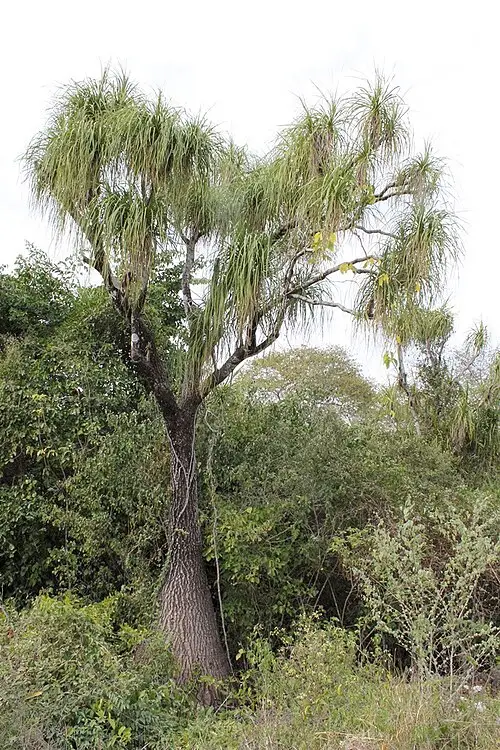
Ponytail palm has a swollen, bottle-shaped base topped with a fountain of long, curling leaves. It is not a true palm: NC State Extension places it in the asparagus family. ASPCA lists Beaucarnea recurvata, under the name "pony tail", as non-toxic to dogs, with no toxic principle or clinical signs.
The long leaves dangle at a dog's height when the plant sits on the floor, and they sway enough to invite a tug. A chewed leaf should not poison a dog, but it's still better to keep the plant up and out of reach.
The risk is mistaken identity, because several look-alikes are toxic. Sago palm is a cycad that ASPCA lists as toxic to dogs, with liver failure and death possible. Yucca, another plant with stiff, spiky leaves, and dracaena are on the ASPCA's toxic list too. Check the Latin name before you buy.
Ponytail palm or sago palm?
| Ponytail palm | Sago palm | |
|---|---|---|
| Botanical name | Beaucarnea recurvata | Cycas revoluta |
| Family | Asparagus family (Asparagaceae) | Cycads (Cycadaceae) |
| Base or trunk | Thick, swollen stem (caudex) that stores water | A trunk that thickens very slowly, over many years |
| Leaves | Long, narrow, strappy leaves about 1 in (2.5 cm) wide that curl toward the tips | Stiff, shiny, palm-like leaves with spiny tips, arranged in a rosette |
| ASPCA status for dogs | Non-toxic | Toxic: vomiting, dark stools, jaundice, bruising, liver failure, death |
Ponytail palm can also be called elephant's foot (the ASPCA lists elephant-foot tree as another name), and nicknames get reused across plants. Go by the botanical name, not the nickname.
If your dog ate ponytail palm
A chewed leaf tip is rarely a problem. ASPCA lists ponytail palm as non-toxic, but watch for vomiting or loose stool anyway.
Call your vet if the signs persist, your dog ate a lot, or the plant was treated with fertilizer or a pesticide. Call right away if the plant might be a sago palm or a dracaena rather than a true ponytail palm. In the US, ASPCA Animal Poison Control is at (888) 426-4435 and Pet Poison Helpline at (855) 764-7661 (fees may apply); elsewhere, call your local emergency vet.
Do not make your dog vomit at home.
Keeping your dog safe
Set the pot on a stand or table so the leaves are above dog level. Because ponytail palms like bright, dry spots, a high sunny shelf suits both the plant and your dog.
Keep fertilizer and plant sprays out of reach.
If you want the same look without the doubt, check the tag for Beaucarnea recurvata. Other palm-style plants ASPCA lists as non-toxic include parlor palm and areca palm.
Frequently asked questions
Is ponytail palm toxic to dogs?
No. ASPCA lists ponytail palm as non-toxic to dogs. Keep it out of reach anyway, and call your vet if your dog seems unwell after chewing it.
Is ponytail palm a real palm?
No. NC State Extension places it in the asparagus family. The name comes from its palm-like look, which is why it is sometimes confused with toxic plants such as sago palm.
How can I tell ponytail palm from sago palm?
Use the Latin name: Beaucarnea recurvata is ponytail palm, and Cycas revoluta is sago palm. Ponytail palm has a swollen base and narrow, curling leaves; sago palm has stiff, shiny, spiny-tipped leaves in a rosette. If a label is missing or unclear, keep the plant away from your dog and ask your vet.
Why does my dog pull on the leaves?
Long, dangling leaves invite tugging. Move the plant up and offer a chew toy instead.
Is yucca the same as ponytail palm?
No. Yucca is a different plant, and the ASPCA lists it as toxic to dogs.
Written from veterinary sources by the Pawsplained editorial team. Not yet reviewed by a veterinarian; this is general information, not a diagnosis or treatment plan. Updated Nov 7, 2026. Editorial policy