Food safety
Can Dogs Eat Lamb?
In moderation
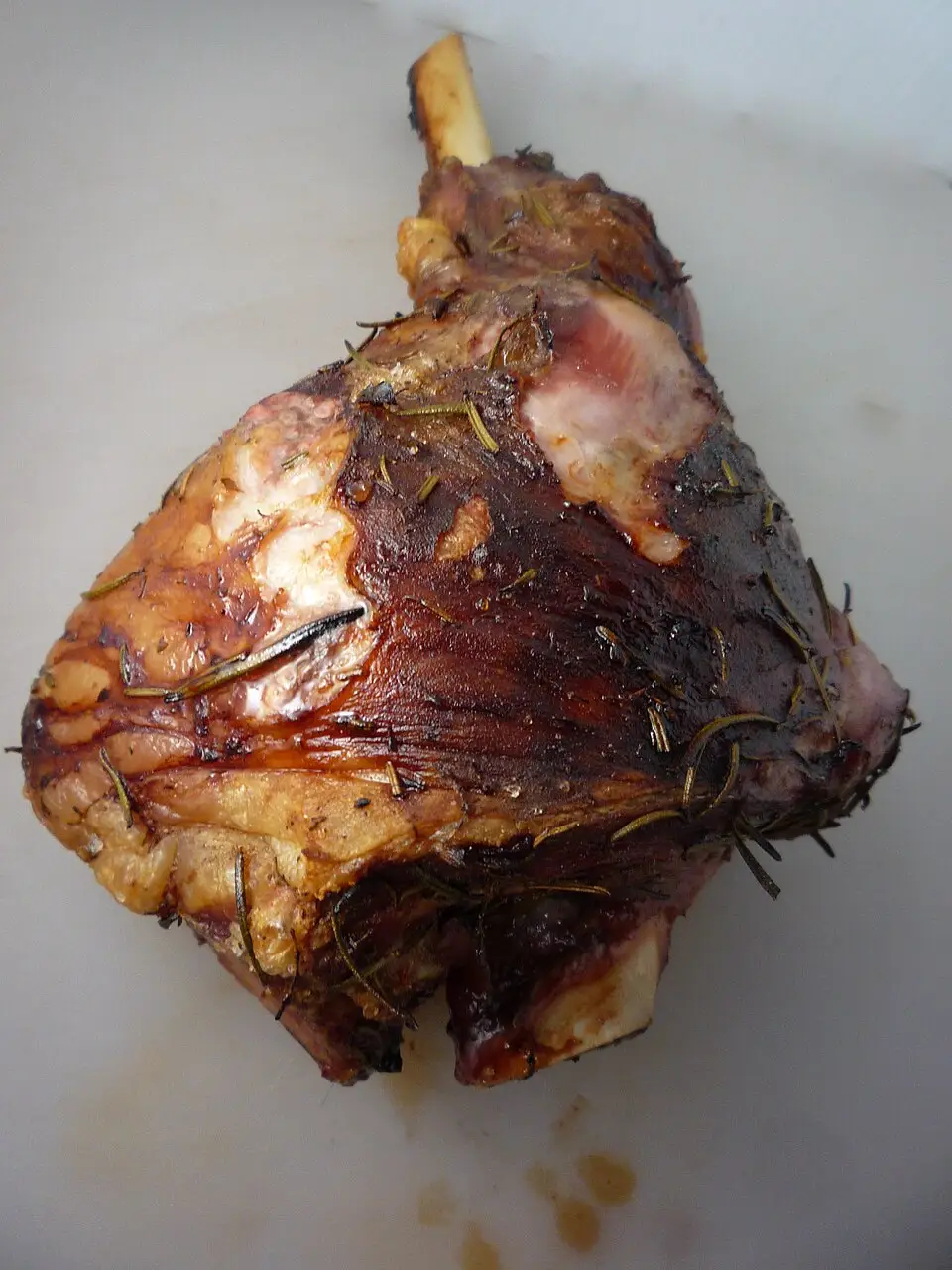
Yes, in moderation. Plain, cooked, lean lamb with the bones and fat removed is fine for most dogs. Lamb bones, fat trimmings and garlic-studded roast leftovers are not.
Why it’s fine in small amounts
Lamb is a common protein in dog food, and PetMD describes it as rich in essential amino acids and a good source of dietary fat. Cooked plain and lean, it is a reasonable occasional treat or topper. The problems come from three things: fat, bones and seasoning.
Fat. Lamb is fattier than the chicken most people share. USDA lists roasted leg of lamb, lean only, at about 7.7 g of fat per 100 g (3.5 oz), roughly twice the 3.6 g in roasted chicken breast. Cooked lamb fat on its own is about 66 g of fat per 100 g. VCA says a fatty meal can trigger pancreatitis in some dogs, which can be severe.
Bones. Lamb chops, shanks, racks and leg bones are cooked bones, and the AKC says cooked bones splinter into shards that can injure the mouth, throat or intestines. See cooked bones.
Seasoning. If your roast was cooked with garlic or onion, keep it to yourself: the ASPCA says onions, garlic and chives can damage red blood cells and lead to anemia.
Is lamb a novel protein?
PetMD says lamb may be a better option for some dogs with food sensitivities or allergies. Whether it helps depends on your dog's history. VCA describes a novel protein diet as one with no ingredients from foods the dog has eaten before. A 2016 review of published studies found lamb among the food allergens reported in dogs (14 dogs, about 5% of cases), and listed it with beef, dairy, chicken and wheat as the likeliest allergens for dogs in North America, Europe and Australia. If your dog has eaten lamb-based food, lamb is not novel for them.
VCA says food trials usually run 8 to 12 weeks and that home-prepared novel protein diets must be formulated by a veterinary nutritionist, so plan any allergy trial with your vet rather than switching to lamb on your own.
Benefits
- A source of protein and essential amino acids, according to PetMD
- Plain, lean, cooked lamb works as an occasional treat or topper
- May suit some dogs with food sensitivities, if their vet agrees
Risks
- Fattier than chicken breast; fat trimmings can trigger pancreatitis
- Cooked lamb bones can splinter and injure the gut
- Garlic- or onion-seasoned roasts can damage red blood cells
- Raw lamb can carry Salmonella and E. coli
- Lamb is a reported food allergen in some dogs
How to serve it safely
Cook lamb plain, with no garlic, onion, salt or rubs, trim away every bit of visible fat, remove all bones, and cut the meat into small pieces. Start with a bite or two to see how your dog's stomach handles it. Lean cuts such as leg are the better choice; drain the fat from ground lamb after cooking.
Treat lamb as an extra, not a meal. Extras should stay within your dog's treat allowance, and our calorie calculator gives a rough daily figure. Dogs that have had pancreatitis should only have lamb if their vet agrees.
Roast leftovers
| Leftover | Verdict | Why |
|---|---|---|
| Lean meat, trimmed and unseasoned | In moderation | Small pieces only |
| Fat, crackling, drippings, gravy | No | Fat can trigger pancreatitis |
| Bones (chop, shank, rack, leg) | No | Cooked bones splinter |
| Garlic-studded or onion-roasted lamb | No | Onion and garlic can damage red blood cells |
| Rosemary lamb without garlic | With caution | Check what else is in the rub; see rosemary |
| Mint sauce or mint jelly | No | Leave condiments off; see mint |
Related forms
| Food | Verdict | Why |
|---|---|---|
| Plain cooked lean lamb | In moderation | Boneless, fat trimmed, unseasoned, in small pieces. |
| Ground lamb | In moderation | Cook through and drain the fat. |
| Lamb fat and trimmings | No | About 66 g of fat per 100 g; a pancreatitis risk. |
| Lamb bones | No | Cooked bones splinter; see cooked bones. |
| Raw lamb | No | The ASPCA says raw meat can carry Salmonella and E. coli, harmful to pets and people. |
| Lamb-based dog food | Yes | Complete diets made for dogs; PetMD describes lamb meal as a rendered form of the meat. |
If your dog already ate it
A few bites of plain lean lamb are fine. If your dog stole fatty scraps, drippings or a pan of roast leftovers, watch over the next few days for vomiting, diarrhea, belly pain, fever, lethargy or loss of appetite. VCA lists these as signs of pancreatitis, and a dog in pain may stretch into a "praying" position, front end down and rear up. Call your vet if they appear.
If your dog swallowed a lamb bone, call your vet, even if your dog seems fine, and do not make your dog vomit at home. Our turkey bones page explains what to watch for hour by hour.
If the lamb was cooked with garlic or onion, call your vet, an emergency clinic, ASPCA Animal Poison Control at (888) 426-4435 or Pet Poison Helpline at (855) 764-7661 (US; fees may apply). Outside the US, call your local emergency vet. Mention how much garlic or onion was in the recipe; see garlic.
Frequently asked questions
Is lamb good for dogs with allergies?
Only if your dog has not eaten it before. Lamb is among the reported food allergens in dogs, and VCA says a novel protein diet must contain nothing from the dog's previous foods. Plan any diet trial with your vet.
Can dogs eat lamb bones?
No. The AKC says cooked bones splinter into shards that can injure the mouth, throat or intestines. Call your vet if your dog swallowed one.
Can dogs eat lamb fat?
No. USDA lists cooked lamb fat at about 66 g of fat per 100 g, and VCA says a fatty meal can trigger pancreatitis in some dogs.
Can dogs eat raw lamb?
It is safer not to. The ASPCA says raw meat can carry Salmonella and E. coli, which can harm pets and people.
Is lamb better for dogs than chicken?
Not as a treat. Lean lamb has about twice the fat of roasted chicken breast in USDA's figures. PetMD says lamb may suit some dogs with food sensitivities, but whether it suits yours is a question for your vet.
Written from veterinary sources by the Pawsplained editorial team. Not yet reviewed by a veterinarian; this is general information, not a diagnosis or treatment plan. Updated Nov 7, 2026. Editorial policy
Sources
- PetMD: Lamb for Dogs
- VCA Animal Hospitals: Food Allergies in Dogs
- Mueller RS, Olivry T, Prélaud P (2016) Common food allergen sources in dogs and cats. BMC Veterinary Research
- VCA Animal Hospitals: Pancreatitis in Dogs
- AKC: Can Dogs Eat Bones?
- ASPCA: People Foods to Avoid Feeding Your Pets
- USDA FoodData Central: Lamb, leg, whole, separable lean only, trimmed to 1/4 in fat, choice, cooked, roasted (FDC 174314)
- USDA FoodData Central: Lamb, Australian, imported, fresh, separable fat, cooked (FDC 172573)
- USDA FoodData Central: Chicken, broilers or fryers, breast, meat only, cooked, roasted (FDC 171477)