Breed comparison
Anatolian Shepherd Dog vs Great Pyrenees
Anatolian Shepherd or Great Pyrenees? Both are giant livestock guardian dogs, bred to live with flocks and see off predators, and both are independent, protective and vocal. The short answer: the Anatolian Shepherd Dog is usually the heavier, shorter-coated and warier of the two, while the Great Pyrenees is a little gentler with people but sheds far more and copes worse with heat. Neither is a casual family pet. Both need space, a strong fence and an owner who understands guardian dogs.
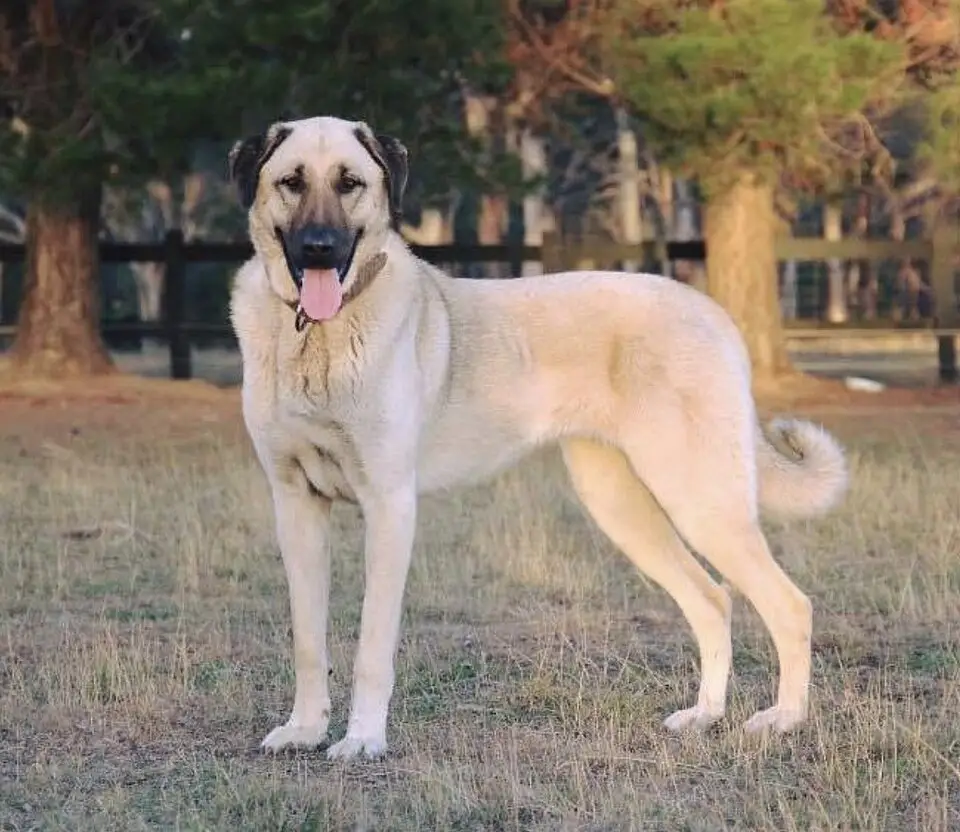
Photo: Kangalshepherddog · CC BY-SA 4.0 · via Wikimedia Commons
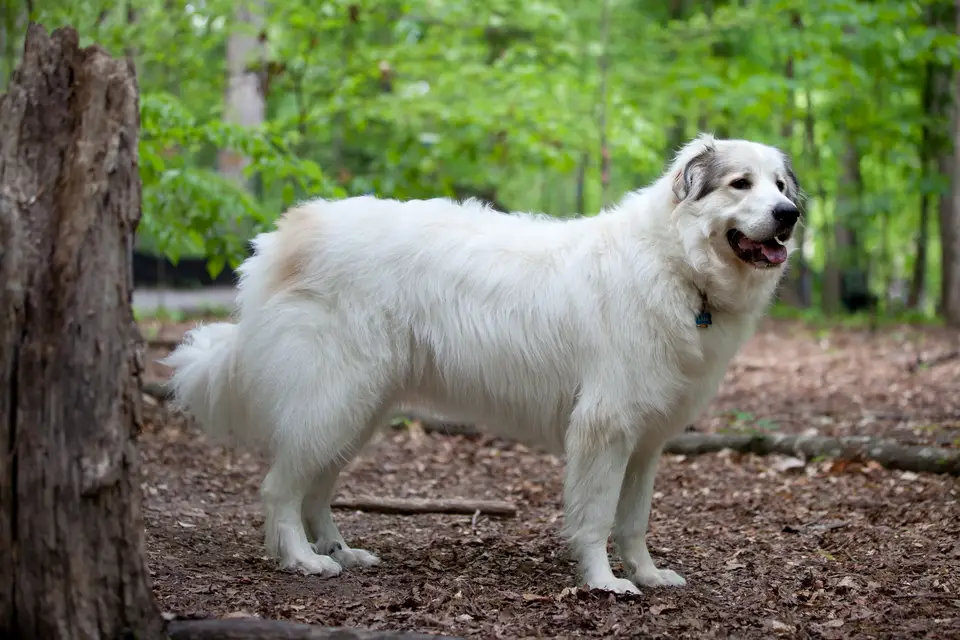
Photo: HeartSpoon · CC BY-SA 4.0 · via Wikimedia Commons
At a glance
| Anatolian Shepherd Dog | Great Pyrenees | |
|---|---|---|
| Size | Giant | Giant |
| Height | 27–29 in (69–74 cm) | 25–32 in (64–81 cm) |
| Weight | 80–150 lb (36–68 kg) | 85–120 lb (39–54 kg) |
| Life span | 11–13 years | 10–12 years |
| Group | Working | Working |
| Coat | Thick, short double coat (some have a longer outer coat) | Thick, weather-resistant white double coat |
| Lower-allergen coat | No | No |
| Energy level | ||
| Exercise needs | ||
| Trainability | ||
| Good with kids | ||
| Good with other dogs | ||
| Friendly to strangers | ||
| Apartment living | ||
| Tolerates being alone | ||
| Good for first-time owners | ||
| Shedding | ||
| Grooming needs | ||
| Barking | ||
| Drooling | ||
| General health |
Trait scale 1–5. Shedding, grooming, barking and drooling: 5 = more. Highlighted rows are where the two breeds differ.
The key differences
Size
Both are giants, built a little differently. The AKC standard calls for Anatolian males from 29 in (74 cm) and 110 to 150 lb (50 to 68 kg), and females from 27 in (69 cm) and 80 to 120 lb (36 to 54 kg). The Great Pyrenees standard sets males at 27 to 32 in (69 to 81 cm) and females at 25 to 29 in (64 to 74 cm), and says a 27 in male weighs about 100 lb (45 kg) and a 25 in female about 85 lb (39 kg). A tall Pyr can match an Anatolian's height, but the Anatolian is usually the heavier dog.
Guarding style
Both guard by instinct and make their own decisions. The Anatolian standard describes an alert, calm, observant and instinctively protective dog, and PetMD says the breed is naturally wary of strangers. The Great Pyrenees standard calls it confident, gentle and affectionate, and PetMD describes it as calm, independent and alert. On our meters the Anatolian scores 1 out of 5 for friendliness to strangers against 2 for the Pyr, and both score 5 for watchdog instinct.
Barking, roaming and fencing
Expect noise from either breed. PetMD says Anatolians bark especially at perceived threats and may not suit close-by neighbors, and that Pyrs bark to alert their family. Our barking meter scores the Pyr 5 and the Anatolian 4. PetMD also says Great Pyrenees enjoy roaming and need an area enclosed by a sturdy fence, and that outdoor playtime in a securely fenced yard is typically enough for an Anatolian. Plan on a tall, strong fence for either breed, and choose the property before the puppy.
Coat and grooming
The coats are the most visible difference. The AKC standard allows the Anatolian a coat from short (at least 1 in) to rough (about 4 in), in any color pattern. The Pyr has a weather-resistant double coat with a long, coarse outer layer, in white or white with gray, badger, reddish brown or tan markings, and its standard calls for double dewclaws on each hind leg. PetMD says Anatolians shed moderately all year and blow their undercoat twice a year, while Pyrs are heavy shedders year-round. Our meters score shedding 3 for the Anatolian and 5 for the Pyr, and grooming 2 versus 4.
Energy, training and family life
Neither is a high-energy breed. PetMD says Anatolians don't need excessive activity and calls Pyrs often low-energy dogs. It calls both breeds independent, which makes training a challenge, and recommends consistency and positive reinforcement. It also says both may be best in homes without small children, mainly because a giant dog can knock them over by accident. Both score 1 out of 5 for apartment living.
Health and life span
Our breed profiles list 11 to 13 years for the Anatolian, and PetMD gives the Pyr 10 to 12. For Anatolians, PetMD lists hip and elbow dysplasia, entropion (an inward-rolling eyelid) and bloat (GDV) as the conditions to screen for and watch, and says the breed can be more sensitive to anesthesia than other breeds, so tell your vet before any procedure. For Pyrs it lists hip and elbow dysplasia, chondrodysplasia, patellar luxation, entropion, cataracts, canine multifocal retinopathy, neuronal degeneration and bloat. Our health meter scores the Anatolian 4 and the Pyr 3.
Which one should you choose?
Choose the Anatolian Shepherd if you have land, livestock or a real job for a guardian, you are an experienced owner, and you want a shorter coat that is easier to keep clean. Expect a heavier dog that takes strangers seriously. Choose the Great Pyrenees if you want a guardian that is a little softer with people, you live somewhere cool, and you can live with heavy shedding and plenty of barking. Neither breed suits an apartment or close neighbors, both need a tall, secure fence and lifelong socialization, and the Anatolian in particular needs an owner with guardian-breed experience.
Anatolian Shepherd Dog profile Great Pyrenees profile
Frequently asked questions
Which is bigger, an Anatolian Shepherd or a Great Pyrenees?
The Anatolian is usually heavier: the AKC standard calls for males of 110 to 150 lb (50 to 68 kg). Great Pyrenees males stand 27 to 32 in (69 to 81 cm), and the standard says a 27 in male weighs about 100 lb (45 kg).
Which barks more, an Anatolian Shepherd or a Great Pyrenees?
Both bark to warn off threats. PetMD says Anatolians bark especially at perceived threats and Pyrs bark to alert their family. Our meters rate the Pyr slightly higher (5 versus 4). Neither suits close neighbors.
Can an Anatolian Shepherd or Great Pyrenees be a family pet?
Yes, for the right family. PetMD says both can do well with children who know how to behave around dogs, but may be best in homes without small children because of their size. Both need space, a strong fence and an owner experienced with independent guardian breeds.