Grooming · 6 min read
How to Clean Your Dog's Ears Safely, Step by Step
Quick answer
Lift the ear flap, fill the canal with a vet-recommended cleaner without pushing the bottle tip in, massage the base of the ear for about 30 seconds, let your dog shake, then wipe with cotton as far as your finger reaches. Never use cotton swabs, alcohol or hydrogen peroxide, and skip cleaning if the ear is red or painful.
Key takeaways
- Clean healthy ears only when you can see dirt or debris, because cleaning too often can irritate the ear canal.
- Never use cotton-tipped swabs. They push debris deeper into the canal instead of removing it.
- Avoid cleaners containing alcohol or hydrogen peroxide, and skip over-the-counter wax removers unless your vet approves them.
- Redness, odor, discharge, head shaking or pain mean an infection is possible, so call your vet before cleaning.
- If your dog has ear medicine, clean first, then medicate, and ask your vet how long to wait in between.
In this guide
- Does your dog need ear cleaning?
- What do you need to clean a dog's ears?
- How do you clean a dog's ears, step by step?
- How often should you clean a dog's ears?
- What should you never put in your dog's ears?
- What are the signs of an ear problem?
- What is a quick checklist for ear-cleaning day?
- When to call your vet
- Step by step
- FAQ
To clean your dog's ears, lift the flap, fill the canal with a vet-recommended cleaner, massage the base for about 30 seconds, let your dog shake, and wipe the visible part with cotton. Never use cotton swabs, alcohol or hydrogen peroxide. If the ear is red, smelly or painful, call your vet before you clean anything.
Home cleaning is safer than most owners fear. Cornell's veterinary college explains that the ear canal is L-shaped and the eardrum sits beyond the bend, so gentle cleaning at home is low risk.
Does your dog need ear cleaning?
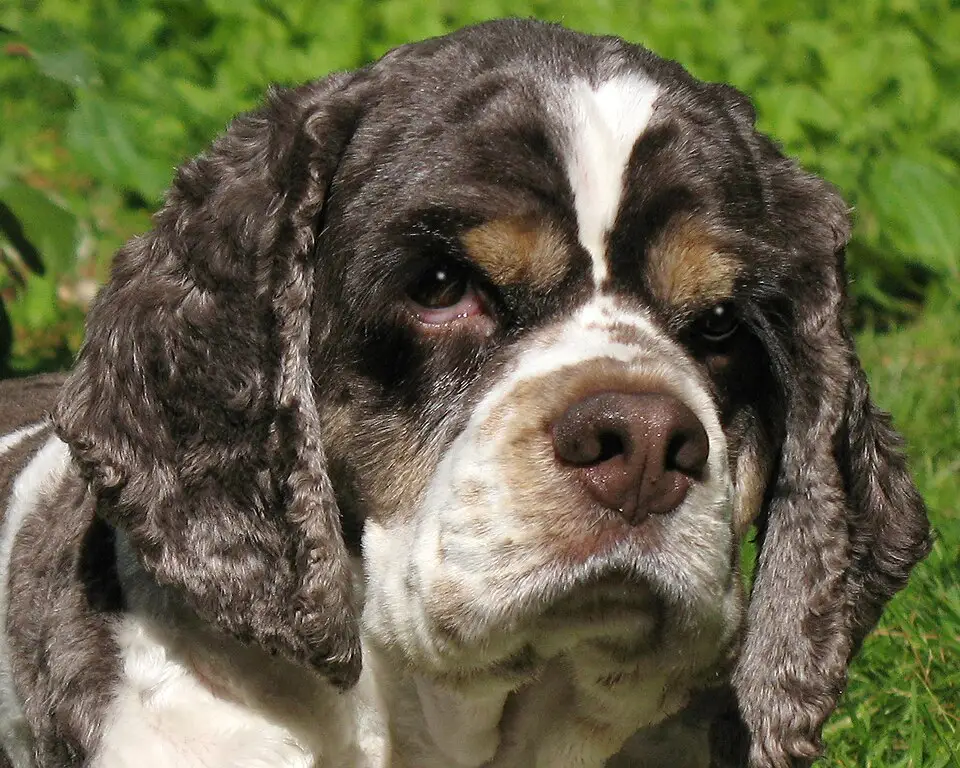
Not every dog does. VCA notes that not every dog needs ear cleaning, and Cornell advises cleaning healthy ears only when you can see dirt or debris, since over-cleaning irritates the canal.
Floppy-eared and hairy-eared dogs are more likely to need help, as debris trapped in the horizontal part of the canal has trouble getting out and can cause itching and infection (VCA). Breeds such as the Cocker Spaniel and Basset Hound often fit this description, but any dog can build up wax.
If you see redness, discharge or a smell, read the signs section below before you clean anything.
What do you need to clean a dog's ears?
Gather these before you begin:
- A cleaner your vet recommends (ask which one suits your dog)
- Real cotton balls or gauze, not synthetic ones (the Merck Veterinary Manual specifies real cotton)
- A towel, since the shaking sprays cleaner
- Treats to reward your dog
Skip over-the-counter wax removers unless your vet approves them, as Merck advises.
How do you clean a dog's ears, step by step?
VCA and Cornell describe the same basic method.
- Get comfortable. VCA suggests a large dog sit with their rear in a corner, a medium dog sit between your legs and a small dog sit on your lap.
- Lift and fill. Hold the ear flap straight up and fill the canal with cleaner. Keep the bottle tip out of the ear so you do not push anything in.
- Massage. Rub the base of the ear for about 30 seconds, until the ear squishes.
- Let your dog shake. Step back. Shaking brings the loosened debris up out of the canal.
- Wipe. Use cotton or gauze on the visible part of the ear only, as far as your finger reaches (about one knuckle deep, per Cornell).
- Reward. Give a treat so your dog connects ear care with good things.
Stop if your dog seems in pain. Pain can mean an infection or even a ruptured eardrum, and VCA advises seeing a vet before going on.
How often should you clean a dog's ears?
Clean healthy ears only when they look dirty. Dogs that need regular care are usually cleaned every 1 to 2 weeks as maintenance, according to Cornell and VCA. Dogs with allergies, floppy ears or repeat infections may need cleaning more often, and it also helps after swimming or a bath.
If your dog is on ear medicine, clean first and medicate afterward. Ask your vet how long to wait between the two, because some cleaners can weaken medication. The Merck Veterinary Manual says a few minutes.
What should you never put in your dog's ears?
Several common home remedies do more harm than good:
- Cotton-tipped swabs. They push debris deeper (Cornell, VCA and Merck agree).
- Alcohol or hydrogen peroxide. Cornell advises avoiding both, and VCA says this matters most if the canal is inflamed or ulcerated.
- Over-the-counter wax removers without your vet's approval (Merck).
- Anything pushed into the canal. Stay on the part of the ear you can see.
Our bathing guide also explains how to keep water out of the ears at bath time.
What are the signs of an ear problem?
According to Cornell, signs of a possible infection include:
- Redness
- Itching or scratching at the ears
- Head shaking
- Discharge or more wax than usual
- A bad odor
- Discomfort when the ear is touched
Allergies can cause very similar signs, so a vet needs to look. Read our pages on ear infections and head shaking for more detail.
What is a quick checklist for ear-cleaning day?
Run through this list before you start. It pulls together the advice from Cornell, VCA and the Merck Veterinary Manual.
- Look first. If the ear is red, swollen, smelly or painful, stop and call your vet, because an infection or even a ruptured eardrum is possible (VCA, Cornell).
- Ask whether it needs cleaning at all. Cornell advises cleaning healthy ears only when you can see dirt or debris, and VCA notes that not every dog needs it.
- Pick the right supplies. Use a cleaner your vet recommends and real cotton balls or gauze (Merck).
- Stay shallow. Keep the bottle tip out of the canal and wipe only as far as your finger reaches, about one knuckle deep (VCA, Cornell).
- Leave out swabs, alcohol and hydrogen peroxide. All three can do harm.
- Finish well. Reward your dog with a treat, and if your dog is on ear medicine, clean first and medicate afterward (VCA, Merck).
Why does the technique matter so much? The canal is L-shaped, and debris pushed past the bend has trouble working its way back out (VCA). That is why the method works the way it does: the cleaner and the massage loosen the debris, and your dog's own head shake carries it up and out of the canal. Wiping then only has to collect what has already reached the visible part of the ear. Gentle home cleaning done this way is low risk (Cornell).
When to call your vet
Do not clean red, swollen or painful ears. Call your vet first, because an infection or ruptured eardrum needs treatment, and the wrong cleaner can make it worse. Call too if you see discharge, a strong odor or repeated head shaking, or if the same ear keeps coming back.
If your vet has prescribed ear medicine, follow their instructions for cleaning first. This guide is general information and does not replace your vet's advice for your dog.
Step by step
- Get your dog settledA large dog can sit with their rear in a corner, a medium dog between your legs and a small dog on your lap. Have treats ready.
- Fill the canalLift the ear flap straight up and fill the canal with a vet-recommended cleaner. Do not push the bottle tip into the ear.
- Massage the baseGently massage the base of the ear for about 30 seconds, until you hear a squishing sound.
- Let your dog shakeStep back and let your dog shake their head to bring the loosened debris up and out.
- Wipe and rewardWipe the visible part of the ear with cotton balls or gauze, going only as far as your finger reaches. Finish with a treat.
Frequently asked questions
Can I clean my dog's ears with hydrogen peroxide or alcohol?
No. Cornell's veterinary college advises avoiding cleaners with alcohol or hydrogen peroxide, and VCA warns against them especially when the canal is inflamed or ulcerated. Use a cleaner your vet recommends instead.
Can I use Q-tips to clean my dog's ears?
No. Cornell, VCA and the Merck Veterinary Manual all advise against cotton-tipped swabs because they push debris deeper into the canal. Use cotton balls, cotton pads or gauze on the visible part of the ear only.
How often should I clean my dog's ears?
Only when you can see dirt or debris, since cleaning too often can irritate the ear. For dogs that need regular care, every 1 to 2 weeks is typical, and dogs with allergies, floppy ears or past infections may need more. Cleaning after swimming or a bath also helps.
How far into the ear can I go?
Only as far as your finger reaches, about one knuckle deep. Do not push anything into the canal. The ear canal is L-shaped and the eardrum sits beyond the bend, so gentle home cleaning carries little risk, but you should never probe.
What does an ear infection look like?
Common signs are redness, itching, head shaking, discharge or extra wax, a bad odor and discomfort when the ear is touched. Allergies can cause similar signs, so a vet needs to look. Do not clean a red or painful ear first.
Sources
More grooming guides
All guides
Grooming
Dog Paw Care Through the Seasons
Check paws after walks, rinse off salt and dirt, test pavement with your hand, moisturize cracked pads and trim nails m…
Grooming
How to Bathe a Dog (and How Often You Really Should)
Brush first, use lukewarm water and a dog shampoo, rinse well and dry fully. How often to bathe by coat type, and how t…
Grooming
How to Brush Your Dog's Teeth Safely, Step by Step
Brush with a pet toothpaste, never human toothpaste. A gentle step-by-step method, how often to brush, VOHC-accepted pr…