Safety · 7 min read
How to Find a Lost Dog: What to Do in the First 48 Hours
Quick answer
Search inside and close to home first, on foot, with treats and a leash. Don't chase a scared dog. Report your dog to shelters and animal control, confirm your microchip registry details, then post flyers and online alerts. In a national US survey, 93% of lost dogs were recovered, and 49% were found by neighborhood searching.
Key takeaways
- In a national US survey, 93% of lost dogs were recovered, and neighborhood searching was the most common way, at 49%.
- Start by checking inside the house, garage, under decks and behind appliances, then search on foot near where your dog went missing.
- Never chase a frightened dog. Stop, turn sideways, crouch, speak softly and let your dog come to you.
- Visit shelters in person every day, and confirm that your microchip registry has your current phone and email.
- Keep one identifying detail out of your posts, and be wary of anyone who asks for money before returning your dog.
In this guide
- What should you do in the first hour?
- How do you approach a scared dog?
- Who should you call after the first hour?
- How do you make flyers and post online?
- How do you keep searching after the first day?
- What is a checklist for the first 48 hours?
- How do you avoid scams?
- How are lost dogs usually found?
- How do you prevent the next escape?
- Step by step
- FAQ
Search inside and close to home first, on foot, with treats and a leash, and don't chase a scared dog. Then report your dog to shelters and animal control, confirm your microchip details, and post flyers and online alerts. The odds are good: in a national US survey, 93% of lost dogs were recovered.
If you find your dog injured, call your vet or an emergency clinic before moving them if you can, and see our first aid basics.
What should you do in the first hour?
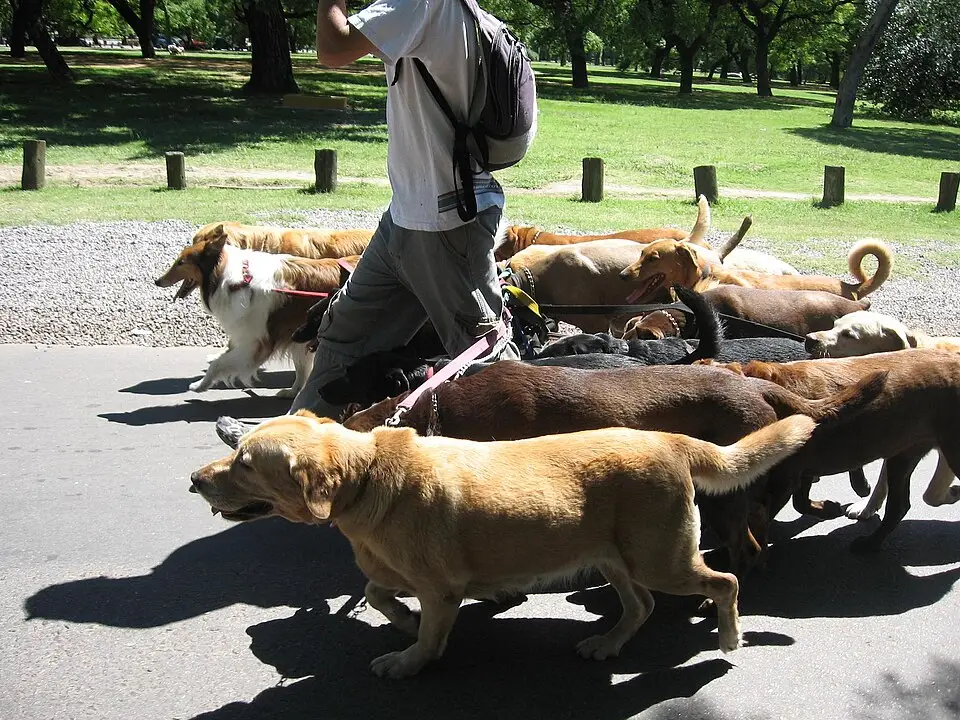
Start inside. The AKC advises checking closets, the garage, under decks and behind appliances, and checking the gates. Dogs can hide in surprising places.
Then search on foot. Many dogs stay within a fairly small area, especially in the first hours, so search near where your dog escaped and along favorite routes, carrying treats, a leash and a favorite toy. Shy dogs may hide silently, even from their owners, while social dogs may approach strangers.
Leave a worn T-shirt near where your dog was last seen, and ask neighbors for security camera footage. Ask everyone to call you instead of chasing your dog, as Humane World advises.
How do you approach a scared dog?
Never chase. Chasing can push a frightened dog farther away. The AKC advises that you stop, turn sideways, avoid eye contact, crouch, speak softly, toss treats and let the dog come to you.
If your dog is nearby but too scared to approach, Humane World suggests setting up a feeding station with a motion camera. You can borrow a humane trap from animal control or a rescue group if you need one.
Who should you call after the first hour?
Report your dog to animal control, municipal shelters and humane societies with a photo and your microchip number. The AKC says to visit shelters in person and check every day, because animals and staff change.
Also confirm your phone number and email with your microchip registry, and add a backup contact. If you do not know which registry holds the chip, the AAHA microchip lookup tool can help. A chip is only as useful as the details linked to it. Microchipped dogs were returned to their owners from shelters 52.2% of the time, against 21.9% for dogs without one, according to a 2009 study reported by JAVMA News.
How do you make flyers and post online?
Make the flyer simple, and include these details:
- A large, clear photo
- Your dog's name, breed and markings
- The last place and date seen
- Your phone number
- DO NOT CHASE for shy dogs
- Bright paper
Humane World suggests posting at grocery stores, laundromats, community centers, vet offices, dog parks and pet stores, and handing flyers to mail carriers, dog walkers and joggers. Online, use local Facebook groups, Nextdoor and lost-pet databases such as Petco Love Lost, which uses facial recognition on found-pet photos.
How do you keep searching after the first day?
After 24 hours, widen the search and focus on dawn and dusk, according to the AKC and Humane World. Log every sighting to spot patterns, and refresh your posts. Some dogs are reunited after months or even years, so do not give up.
What is a checklist for the first 48 hours?
Use this order of actions, drawn from the AKC and Humane World advice.
In the first hour
- Check inside the house, the garage, under decks and behind appliances, and check the gates.
- Search on foot near where your dog escaped and along favorite routes, with treats, a leash and a favorite toy.
- Ask neighbors for security camera footage, and ask everyone to call you rather than chase.
Later on the first day
- Report your dog to animal control, municipal shelters and humane societies with a photo and your microchip number.
- Confirm your phone number and email with your microchip registry.
- Post flyers and local online alerts, and keep one identifying feature out of your posts.
- Visit shelters in person, and check again every day.
After 24 hours
- Widen the search and focus on dawn and dusk.
- Log every sighting to spot patterns, and refresh your posts.
- Keep going, because some dogs are reunited after months or even years.
Throughout, stay calm around a scared dog: stop, turn sideways, crouch and let your dog come to you. Searching close to home is the most common way lost dogs are found, so spend most of your effort in your own neighborhood.
How do you avoid scams?
Humane World advises asking anyone who says they have your dog to describe it and send a photo. Be wary of anyone who asks for money first, and keep one identifying feature out of your posts so you can check what you are told.
How are lost dogs usually found?
A national survey of 1,015 pet-owning households (Weiss, Slater and Lord, Animals, 2012) found that 14% had lost a dog in the past five years, and 93% of those dogs were recovered.
| How the dog was found | Share |
|---|---|
| Owner searched the neighborhood | 49% |
| Dog came home on its own | 20% |
| ID tag or microchip | 15% |
| A neighbor brought the dog home | 7% |
| Animal control or a shelter | 6% |
| Other | 4% |
Searching close to home works best, but ID helps too.
How do you prevent the next escape?
Put a collar with an ID tag (name, address, phone) on your dog, and make sure the microchip is registered with current details. Humane World suggests checking the details every year on Check the Chip Day, August 15. Our guide to harnesses and collars explains which fits best, including a martingale for dogs with narrow heads. A tracker can add another layer, and our guide to GPS trackers versus AirTags explains how they differ.
Holidays are risky times, because open doors and loud noises lead to escapes. See our guides on fireworks fear, New Year's Eve safety and holiday travel.
Step by step
- Search inside and nearbyCheck closets, the garage, under decks and behind appliances, then walk the area near where your dog went missing with treats and a leash.
- Stay calm and don't chaseIf you spot your dog, stop, turn sideways, avoid eye contact, crouch, speak softly and toss treats.
- Report your dog missingContact animal control, municipal shelters and humane societies with a photo and your microchip number, and update your microchip registry.
- Post flyers and online alertsUse a large clear photo and your phone number, and post in your neighborhood and on local lost-pet pages.
- Keep searchingAfter the first day, widen the search, focus on dawn and dusk, log sightings and refresh your posts.
Frequently asked questions
How far do lost dogs usually go?
The AKC says many dogs stay within a fairly small area, especially in the first hours, so search on foot near where your dog escaped and along favorite routes. Shy dogs may hide silently, even from their owners, while social dogs may approach strangers. No reliable distance figure is available.
What are the chances of finding a lost dog?
Good. In a national US survey of 1,015 pet-owning households, 93% of lost dogs were recovered. Searching the neighborhood was the most common way, at 49%.
Should I call my dog's name when searching?
You can call calmly, but never chase a frightened dog. The AKC advises stopping, turning sideways, avoiding eye contact, crouching, speaking softly and tossing treats so your dog comes to you. Humane World says to ask everyone who sees your dog to call you rather than chase.
How do I find my lost dog if it is microchipped?
Report your dog to shelters and animal control with your microchip number, and confirm that your phone and email are current with the chip registry. The AAHA microchip lookup tool can help if you do not know the registry. A chip is only as useful as the details linked to it.
What should I put on a lost dog flyer?
A large, clear photo, your dog's name, breed and markings, the last place and date seen, your phone number, and DO NOT CHASE for shy dogs, printed on bright paper. Leave out one identifying feature so you can check any claims.
Someone says they found my dog but wants money first. What should I do?
Be wary. Ask the person to describe your dog and send a photo, and do not pay anything before you have verified the details. Keeping one identifying feature out of your posts helps you spot a false claim.
Sources
More safety guides
All guides
Safety
Christmas Hazards for Dogs: What to Watch For
Tinsel, tree water, poinsettias, chocolate and party guests are the big Christmas risks for dogs. Here is how to spot e…
Safety
Common Household Items That Are Toxic to Dogs
Human medicines, chocolate, xylitol, cleaners, rodent bait, batteries and essential oils are common household dog poiso…
Safety
Dog First Aid Basics Every Owner Should Know
Dog first aid buys time until a vet takes over. Learn how to stay safe, stop bleeding, respond to choking and heatstrok…