Plant safety
Are Christmas Trees Toxic to Dogs?
Abies, Picea, Pinus and Pseudotsuga spp. (fir, spruce, pine and Douglas fir) · Pinaceae
Also called Fir tree, Spruce, Pine, Douglas fir, Fraser fir, Balsam fir
Toxic to dogs
Severity: Mild
Yes, but only mildly. Pet Poison Helpline says fir, spruce and pine trees usually cause just drooling and vomiting when chewed. The bigger risks are swallowed needles, which can block or puncture the gut in large amounts, plus the tree water and decorations.
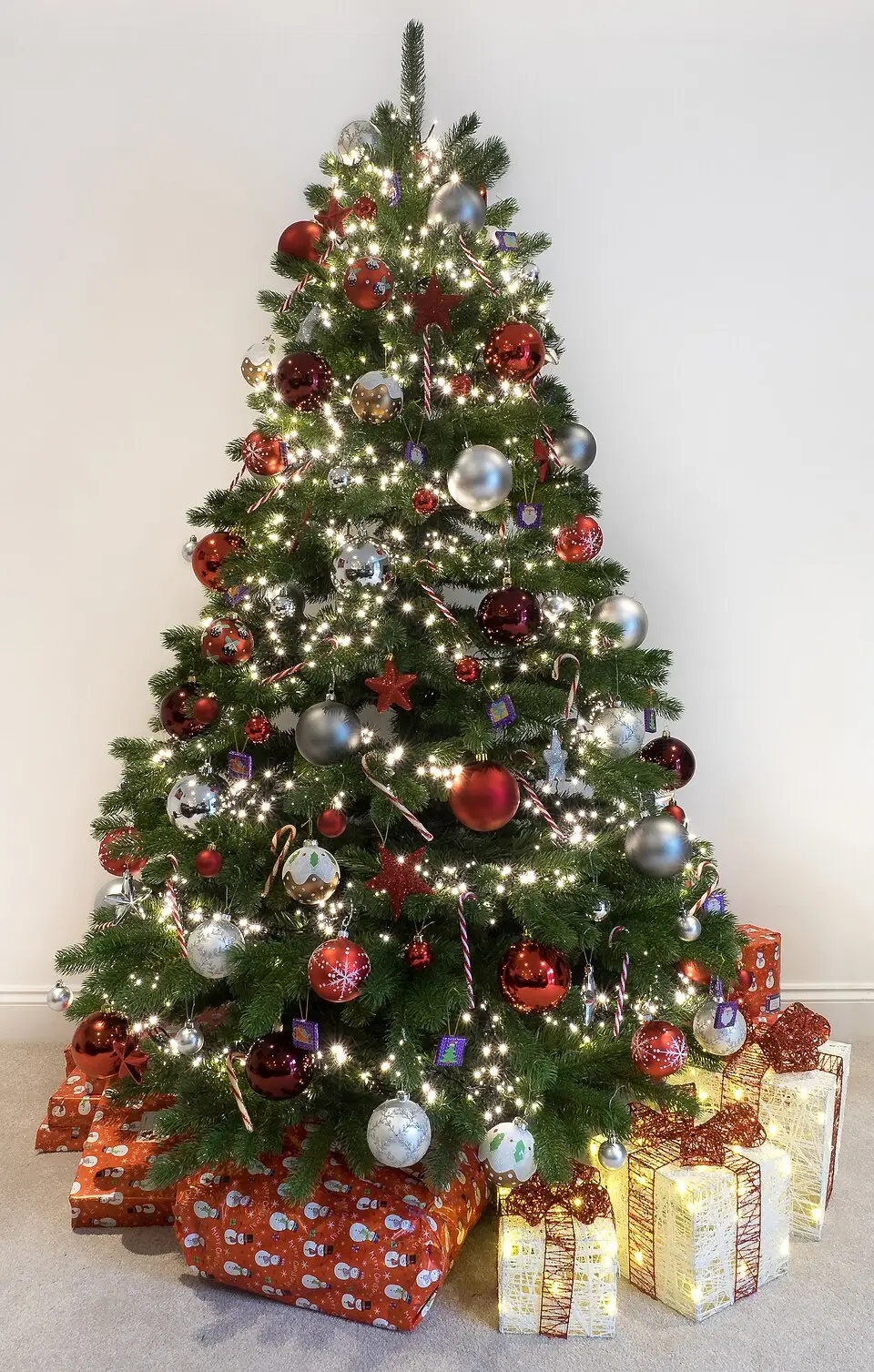
- Toxic parts
- Needles, Sap, Cones and twigs (sharp pieces)
- Toxic compounds
- Irritant sap and low levels of essential oils; sharp needles and cones irritate physically (per Pet Poison Helpline)
- Where you’ll find it
- House and garden
Signs of poisoning
- Drooling
- Mouth irritation
- Vomiting
- Diarrhea
Why it’s harmful to dogs
Most real Christmas trees are firs, spruces or pines. Pet Poison Helpline names Douglas fir, balsam fir, Fraser fir, pines and cypress as the most common choices. The ASPCA's dog plant list has no entry for fir, spruce or Douglas fir, so this page relies on Pet Poison Helpline, a pet poison control service. The potted Norfolk Island pine sold as a living Christmas tree is a different plant, and the ASPCA lists it as non-toxic.
Pet Poison Helpline says chewing these trees usually causes mild drooling and vomiting that clears up on its own. The irritation comes from the sap and from sharp needles and cones. The trees do contain essential oils, but at low levels that are not expected to cause serious poisoning.
The physical risk matters more. Pet Poison Helpline says needles don't digest well, so a large amount can block the intestines or even puncture them. PetMD gives the same warning.
Real, artificial, flocked or potted
| Tree | Main risk for dogs | Source |
|---|---|---|
| Real fir, spruce or pine | Sap and needles irritate the mouth and stomach; lots of needles can cause a blockage or puncture | Pet Poison Helpline |
| Artificial | Chewed plastic needles can irritate the stomach and, if enough is swallowed, cause a blockage | Pet Poison Helpline, PetMD |
| Flocked (fake snow) | Swallowing large amounts of flocking can cause serious problems | PetMD |
| Potted Norfolk Island pine | Listed as non-toxic; the decorations carry the same risks as on any tree | ASPCA |
Tree water
The ASPCA warns that water in the stand can grow bacteria that cause nausea, diarrhea and stomach upset. Pet Poison Helpline says drinking tree water usually causes only mild vomiting and diarrhea, even when a preservative has been added. PetMD is more cautious and calls preservative-treated water poisonous. We follow Pet Poison Helpline, a poison control service, on how serious it is, and agree with both on the fix: cover the water.
Ornaments, lights and tinsel
The tree is also a rack of things dogs shouldn't swallow. The ASPCA warns that chewed wires can deliver an electric shock, punctured batteries can burn the mouth and esophagus, and broken ornaments can cut the mouth and gut. Swallowed tinsel can cause severe vomiting, a blocked gut and dehydration, and may need surgery. The ASPCA adds that salt-dough ornaments, even dry ones, can cause life-threatening electrolyte imbalances. Our Christmas safety guide covers the rest of the season.
If your dog ate christmas trees
A few chewed needles usually mean, at most, some drooling or a bout of vomiting. Take any twigs or needles out of your dog's mouth if you can do it safely, sweep up what's on the floor and watch for vomiting, diarrhea or a dog that won't eat.
Call your vet if your dog swallowed a lot of needles or a chunk of branch, keeps vomiting, stops eating or seems uncomfortable, because large amounts can block or puncture the gut. Call right away if your dog chewed a wreath with unknown greenery, swallowed tinsel, an ornament or a battery, chewed a light cord, or ate salt-dough decorations. In the US, ASPCA Animal Poison Control is at (888) 426-4435 and Pet Poison Helpline at (855) 764-7661 (fees may apply); elsewhere, call your local emergency vet.
If your dog drank the tree water, find the label of any additive you used and have it ready for the call. Don't make your dog vomit at home.
Keeping your dog safe
Put a gate or exercise pen around the tree; PetMD calls it the safest way to keep a dog away from needles, water and lights. Anchor the tree so it can't tip, as the ASPCA advises, and cover the stand with a tree skirt, towel or foil.
Hang breakable and homemade ornaments on the upper branches, skip tinsel, and keep lights and cords away from the bottom of the tree. Sweep up fallen needles every day. If you're buying an artificial tree, PetMD suggests a regular, non-flocked one.
Check wreaths and garlands too. If you don't know which greenery a wreath contains, keep it out of reach: yew, another evergreen, is on the ASPCA's toxic list for dogs.
Dog-safe alternatives
Frequently asked questions
Are Christmas tree needles poisonous to dogs?
Only mildly. Pet Poison Helpline says the sap and needles usually cause mild drooling, vomiting or diarrhea. The bigger concern is volume: it warns that lots of needles can block or puncture the intestines.
Is Christmas tree water bad for dogs?
It can upset the stomach. The ASPCA says stand water can grow bacteria that cause nausea and diarrhea, and Pet Poison Helpline says tree water, even with a preservative added, usually causes only mild vomiting or diarrhea. Cover the stand so your dog can't drink from it.
Is an artificial tree safer for a dog?
Not entirely. Pet Poison Helpline says chewed artificial tree material can irritate the stomach and cause a blockage if enough is swallowed, and PetMD advises against flocked trees in homes with dogs.
Is a Norfolk Island pine a safer living tree?
The ASPCA lists Norfolk Island pine as non-toxic to dogs, so it's a reasonable choice. A decorated tree still needs the same barriers, because ornaments, lights and tinsel bring their own risks.
Can dogs chew pine cones from the tree?
It's best to stop them. Pet Poison Helpline lists sharp needles and cones among the causes of mouth and stomach irritation from Christmas trees.
Written from veterinary sources by the Pawsplained editorial team. Not yet reviewed by a veterinarian; this is general information, not a diagnosis or treatment plan. Updated Nov 7, 2026. Editorial policy