Gear · 6 min read
How to Choose a Dog Bed: Size, Type and Support
Quick answer
Measure your dog stretched out, then choose a bed about one-fourth longer than that length. Match the style to how your dog sleeps: orthopedic foam for sore joints, a covered or donut bed for burrowers, a raised cot for warm spots, and a washable cover for every dog.
In a hurry? See the gear we suggest ↓
Key takeaways
- A bed should be about one-fourth longer than your dog measures lying down, and similarly wider, so they can stretch out fully.
- Orthopedic or memory foam beds reduce pressure on sore joints and improve sleep for dogs with osteoarthritis, according to VCA.
- Self-warming beds reflect your dog's own body heat without electricity, while electric beds need supervision, especially with chewers.
- Choose a removable cover you can wash weekly, which matters most for incontinent seniors and puppies in potty training.
- Keep arthritic dogs warm and dry, since cold and damp worsen stiffness, and add non-skid rugs near the bed.
In this guide
- How do you measure your dog for a bed?
- How do you match the bed to how your dog sleeps?
- What types of dog beds are there?
- What are the best beds for older and arthritic dogs?
- What are the best beds for winter and summer?
- What are the best beds for chewers and puppies?
- How do you keep a dog bed clean, and where should it go?
- FAQ
Choose a bed about one-fourth longer than your dog measures lying stretched out, then pick the style that suits how your dog sleeps and what their joints need. Dogs sleep 12 to 16 hours a day, according to PetMD, so a bed gets heavy use and is worth getting right. Here is how to measure, what the main types offer and which dogs benefit from which.
How do you measure your dog for a bed?
Measure your dog lying down, not standing. Have your dog stretch out on the floor and measure from the nose to the base of the tail. PetMD says to make the bed about one-fourth longer than the dog measures lying down, and similarly wider.
Multiply your dog's length by about 1.25. These examples follow that rule and are only a starting point:
| Dog measures lying down | Bed about this long |
|---|---|
| 24 in (61 cm) | 30 in (76 cm) |
| 32 in (81 cm) | 40 in (102 cm) |
| 40 in (102 cm) | 50 in (127 cm) |
Dogs who sprawl or sleep on their side need the full length, so a bed that is too small leaves legs hanging over the edge. When in doubt, go up a size. For small dogs, a bed made for small breeds is the easier fit.
How do you match the bed to how your dog sleeps?
For how much sleep is typical at each age, see our guide on how much dogs sleep, and for older dogs see our senior dog care guide.
Watch your dog sleep for a few days. As a simple suggestion rather than a rule, curlers often like a bolstered or donut-style bed, while sprawlers tend to prefer a flat, roomy mat. The AKC says covered or burrowing beds suit anxious dogs and small dogs who like to burrow.
You can also use more than one bed. PetMD suggests having one where the family gathers and one where your dog sleeps at night. That keeps your dog close to you and gives them a quiet place to rest.
What types of dog beds are there?
The main styles each solve a different problem:
- Flat or cushion beds. Simple, roomy and good for dogs who sprawl.
- Bolster or donut beds. A raised rim gives dogs something to lean on.
- Covered or burrow beds. A hood or cave suits dogs who like to feel enclosed.
- Orthopedic or memory foam beds. Thick foam spreads weight and eases pressure points.
- Raised cot beds. A fabric sheet stretched on a frame lets air flow underneath.
- Warming beds. Self-warming or electric options for cold spots.
Memory foam can flatten over time, so PetMD advises choosing dense, well-filled foam. Check that the bed keeps its shape when you press on it.
What are the best beds for older and arthritic dogs?
Orthopedic beds suit dogs with sore joints. VCA says orthopedic or memory foam beds reduce pressure on sore joints and improve sleep in dogs with osteoarthritis. How thick should the foam be? One veterinarian quoted by PetMD says at least 2 inches (5 cm) of memory foam is needed to call a bed orthopedic, but that is one expert's view and not a labeling standard. PetMD notes that many orthopedic memory foam beds use 4 inches (10 cm) or more.
For arthritic giant breeds, PetMD says slightly raised beds are easier to get in and out of. Avoid beds your dog must jump or climb into, choose a sturdy frame that does not slide, and put a non-slip mat underneath.
VCA also advises keeping arthritic dogs warm and dry, since cold and damp worsen stiffness, and adding non-skid rugs near the bed. Read more in our guides to arthritis and hip dysplasia. If your dog struggles to get up or lie down, see your vet. A new bed helps, but it does not treat arthritis.
What are the best beds for winter and summer?
In cold weather, a self-warming bed reflects your dog's body heat back without electricity, according to the AKC. These help small dogs, puppies and single-coated breeds in particular. Electric beds need caution and supervision, especially with dogs who chew, so a self-warming bed is the simpler option. Our guide on how cold is too cold for dogs explains which dogs feel the cold most.
In warm weather, the AKC says raised cot beds can help keep dogs cool and support joints, and they also work outdoors. A cot lets air move underneath, which a thick foam bed does not.
What are the best beds for chewers and puppies?
Chewers are hard on beds. Supervise them, and remove a bed once stuffing is exposed, since Humane World notes that stuffing is not digestible. Humane World also advises throwing out toys that are breaking into pieces, and the same common-sense rule applies to a bed that is coming apart.
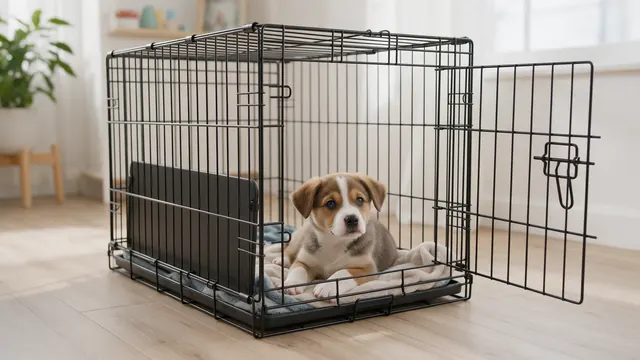
Puppies grow and have accidents, so look for a cover that comes off easily and a bed you can machine-wash. A waterproof liner under the washable cover protects the foam. If you are using a crate, see our crate training guide for tips on making the crate a calm place to rest.
How do you keep a dog bed clean, and where should it go?
Choose a removable cover you can wash weekly, ideally with a machine-washable bed. This matters most for incontinent seniors and for puppies in potty training. A waterproof liner under the washable cover keeps the foam dry.
The AKC says dogs benefit from their own quiet sleeping spot, so put the bed away from busy walkways. A giant breed may need extra floor space, so measure the spot before you buy.
PetMD suggests more than one bed: one where the family gathers and one where your dog sleeps at night. Memory foam can flatten, so press on the bed now and then and replace it once it no longer springs back or supports your dog.
Frequently asked questions
What size bed does my dog need?
PetMD says to make the bed about one-fourth longer than your dog measures lying down, and similarly wider. Measure your dog stretched out on the floor, then multiply by about 1.25. A dog who measures 32 inches (81 cm) would need a bed about 40 inches (102 cm) long.
Are orthopedic beds worth it?
They are a good choice for dogs with sore joints. VCA says orthopedic or memory foam beds reduce pressure on sore joints and improve sleep in dogs with osteoarthritis. A new bed helps comfort but does not treat arthritis, so see your vet if your dog struggles to get up.
Are raised dog beds good?
Raised cot beds can help keep dogs cool and support joints, and they work outdoors, according to the AKC. PetMD adds that slightly raised beds are easier to get in and out of for arthritic giant breeds. Avoid any bed your dog has to jump or climb into.
Are heated dog beds safe?
Self-warming beds have no cord and simply reflect your dog's body heat, so they are the simpler choice. The AKC says electric beds need caution and supervision, especially with dogs who chew.
How often should I wash a dog bed?
Choose a bed with a removable cover and wash the cover weekly, ideally in a machine-washable bed. This matters most for incontinent seniors and for puppies in potty training. A waterproof liner under the cover protects the foam.
Sources
More gear guides
All guides
Gear
Christmas Gifts for Dogs: Safe Ideas They'll Use
Gift ideas for sniffers, chewers, active dogs and seniors, plus the safety rules for toys, edible gifts and wrapping th…
Gear
Dog Crate Size Chart: How to Pick the Right Size
Measure your dog, then use the chart: your dog should stand, turn and stretch out comfortably. Sizes by weight and bree…

Gear
Dog Gear for Cold Weather: Coats, Boots and Paw Balm
Not every dog needs a coat, but small, lean, short-coated and older dogs often do. Learn who needs gear, how to fit it…