Behavior · 7 min read
Separation Anxiety in Dogs: Signs and Training Plans
Separation anxiety is panic, not spite. Learn the signs, how to rule out other causes, a step-by-step alone-time plan, and when to get professional help.
In this guide
Separation anxiety is real distress when a dog is left alone, not spite or bad manners. The fix is gradual training that teaches your dog to cope with short absences, then longer ones, while you rule out medical and training causes and, for moderate to severe cases, work with your vet or a qualified behavior professional.
It can take weeks or months, and your dog will not get better if the plan moves faster than they can handle. Here is how to spot it and what to do.
Signs of separation anxiety
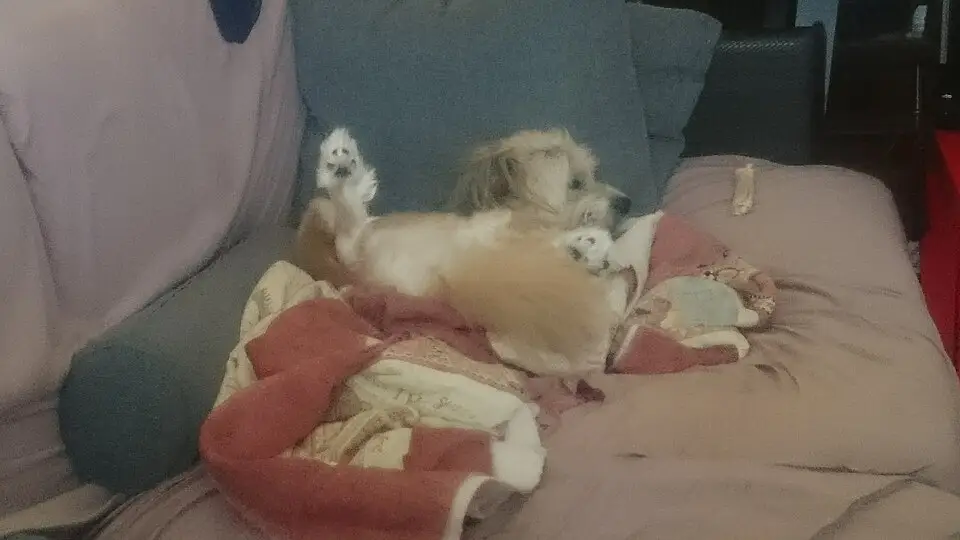
The main clue is timing. Signs usually begin within minutes of being left and do not happen when you are home. Typical signs include:
- Barking, howling or whining
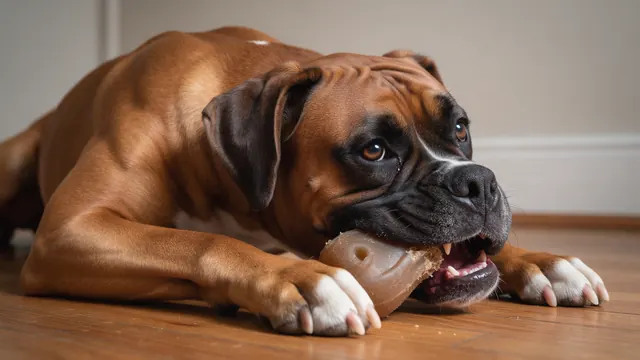
- Chewing, digging or scratching at doors and windows
- Urinating or defecating indoors
- Pacing, drooling, panting or shaking
- Refusing food while you are gone
- Distress as you get ready to leave, such as when you pick up your keys
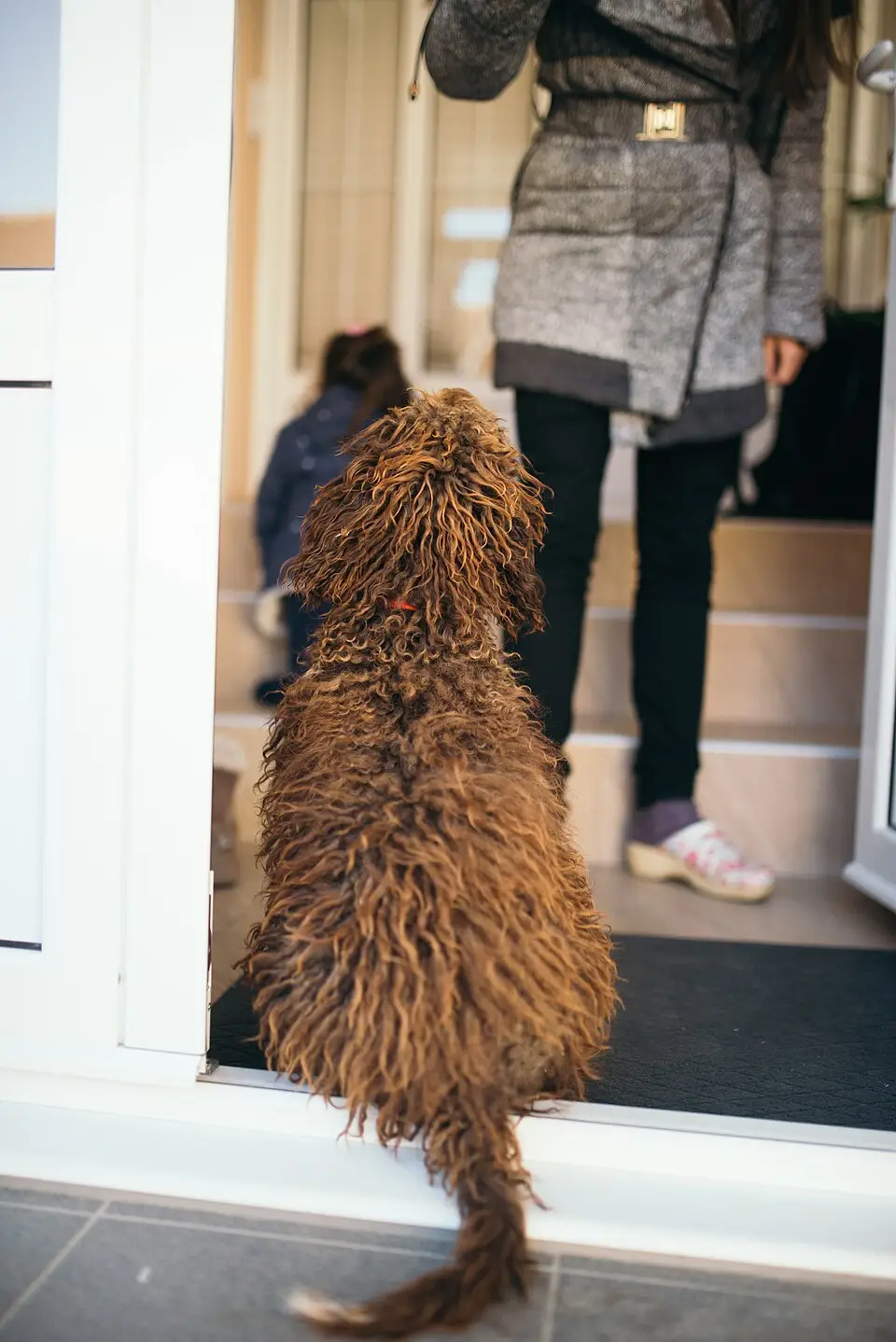
- Following you from room to room, and a very excited greeting when you return
Escape attempts can cause real injuries, such as broken teeth and cut paws. That is one reason to take it seriously rather than waiting it out.
Why it happens
Nobody knows exactly why some dogs develop it. Triggers that vets and shelters commonly see include a change of owner or household, a sudden shift in schedule, a move, and the loss of a person the dog was close to. It is seen much more often in dogs adopted from shelters. A puppy who never learned to be alone, or a dog who had a frightening event when left, such as a storm or fireworks, may also struggle. Dogs with noise fears may need help with both problems.
Some dogs are simply so attached to one person that being apart feels unbearable. Whatever the cause, the dog is not choosing to behave this way.
Is it really separation anxiety?
Several problems look alike. Before you start a plan, think about these other explanations.
Medical causes. Accidents indoors can come from a urinary tract infection, bladder stones, diabetes, kidney disease or Cushing's disease, and some medications increase urination. Pain, vision or hearing loss and cognitive decline in older dogs can also raise anxiety.
Training and boredom. A puppy who is not fully house trained, a young dog who chews when bored, or a dog who barks at passersby whether or not you are home may have a different issue. If barking is the main problem, see our guide on why dogs bark. If the behavior also happens when you are there, separation anxiety is less likely. If it gets worse the longer you are gone, your dog may simply be left alone for too long.
An AVMA report on a veterinary behavior expert's talk makes the same point: frustration, fear, outside events and pain can all produce signs that resemble separation anxiety, so an accurate diagnosis matters. Your vet is the right place to start.
Record your dog before you change anything
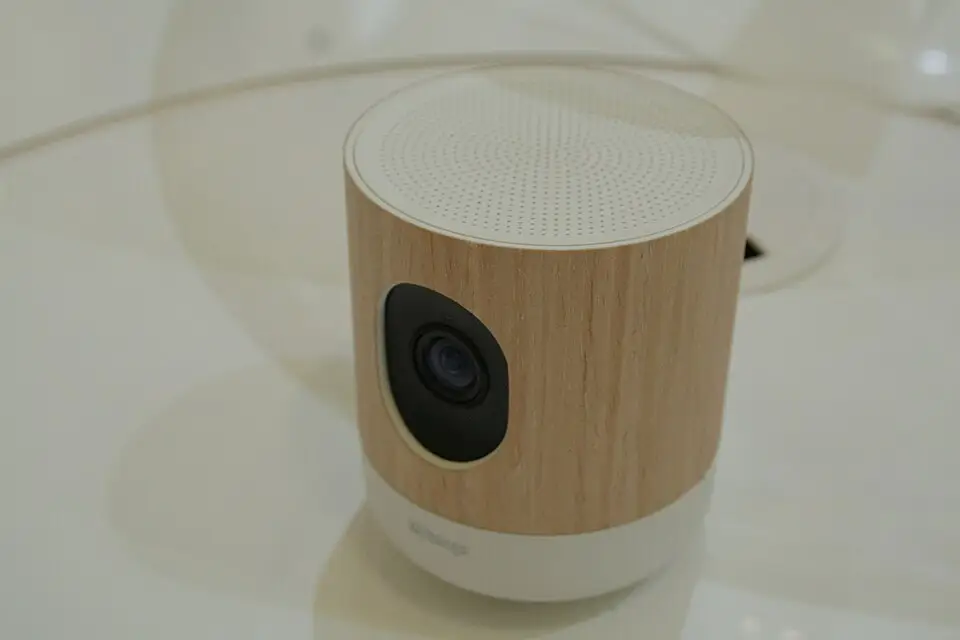
A pet camera or even your phone can show what really happens after you walk out. Does your dog settle after ten minutes, or pace and howl for hours? Do they react to noises outside? Seeing it gives your vet or trainer far more to work with than a description does, and it lets you measure progress.
Train alone time in small steps
The idea is to practice absences so short that your dog stays relaxed, then lengthen them gradually. Move on only when your dog is calm at the current step.
- Practice leaving cues, such as picking up keys or putting on shoes, without actually leaving. Repeat this several times a day for weeks, until the cues stop predicting that you will go.
- Step behind an inside door for one or two seconds, then return before your dog gets upset.
- Build to 5 or 10 seconds, then to several minutes, adding a few seconds at a time. There is no standard timeline, so let your dog set the pace.
- Add a food-stuffed toy or lick mat that takes 20 to 30 minutes to finish, and take it away when you return. Highly anxious dogs often refuse food when alone, which suggests the step is too hard or that they need professional help.
- Keep growing the time slowly. The ASPCA notes that most anxious reactions happen within the first 40 minutes, so reaching that point is a big milestone.
If your dog shows stress, such as dilated pupils, panting, yawning, drooling, trembling or pacing, go back to an easier step. Jumping ahead sets progress back.
While you train, avoid leaving your dog alone for longer than they can manage. Use a family member, friend, sitter, daycare or your workplace as a bridge.
Make time alone easier
Training works better when the rest of your dog's day is settled:
- Exercise. Give at least 30 minutes of aerobic activity daily, ideally just before you leave. See our exercise guide.
- Routine. Predictable times for walks, meals and rest help many anxious dogs.
- A calm spot. Set up a bed or mat where your dog is rewarded for settling. Background radio or TV can help some dogs.
- Quiet comings and goings. Skip long goodbyes and dramatic greetings. When you come home, wait until your dog calms down before giving attention.
For a dog who panics in a crate, use a gated room or pen instead. If your dog is comfortable in a crate, our crate training guide covers building on that.
What not to do
Never scold or punish a dog for what they did while you were away. These behaviors are driven by anxiety, not disobedience, and punishment can raise the distress. Avoid suddenly adding hours to the time alone, and do not expect medication by itself to fix the problem.
When to call your vet
Make an appointment if your dog has accidents or sudden behavior changes, particularly if they are older, to rule out pain or illness. Ask for help from a veterinary behaviorist, certified applied animal behaviorist or experienced trainer if your dog is hurting themselves trying to get out, panics every time you leave, or does not improve with a few weeks of steady practice. For many dogs with moderate to severe anxiety, a vet may add medication to the behavior plan.
Frequently asked questions
Is my dog being spiteful when they destroy things?
No. Destruction, barking and house soiling in a dog with separation anxiety come from panic, not revenge. Scolding does not help and can make the distress worse.
Will leaving the TV or radio on cure it?
Background sound helps some dogs relax, but it is not a treatment on its own. Real progress comes from practicing short absences and slowly building up, alongside exercise and a steady routine.
Is a crate a good idea for a dog with separation anxiety?
Often not. A crate can comfort some dogs, but it adds stress for others, and a frantic dog can hurt themselves trying to escape. If your dog pants heavily, drools or fights the crate, use a gated room instead and ask your vet or a behaviorist for advice.
Can medication help?
For moderate to severe cases, a vet or veterinary behaviorist may prescribe anti-anxiety medication alongside a behavior plan. The ASPCA notes that most dogs who need it do best with medication and behavior work combined, and it should only ever be used under veterinary direction.
Sources
More behavior guides
All guides
Behavior
How Much Do Dogs Sleep? Normal Hours by Age
Most adult dogs sleep 12 to 16 hours a day, and puppies and seniors sleep more. What is normal, what affects it, and th…
Behavior
How to Help a Dog Who Is Scared of Fireworks
Give your dog a quiet room, mask the noise and keep ID current. Then ask your vet about help and start gradual training…
Behavior
How to Stop a Dog From Chewing Everything
Find out why your dog chews, then dog-proof, supervise, offer better chews and add exercise. What works for chewing whe…